Ingredients
Equipment
Method
Autolyse and initial mixing
- Mix bread flour, whole wheat flour, active sourdough starter, water (room temperature), pumpkin puree, maple syrup, pumpkin pie spice, and cinnamon in a bowl until no dry flour remains. Rest the dough 30 minutes to hydrate and begin gluten development.
- Add salt and mix thoroughly until fully incorporated. Cover and let rest while you prepare to fold.
- Perform stretch and folds on the dough, then rest 30 minutes. Repeat this for 4 sets total, each time tightening the dough.
Bulk ferment
- Cover the dough and let it ferment at room temperature until doubled and visibly bubbly, about 4-6 hours. Look for increased volume and a lively, aerated texture.
Shape and cold proof
- Shape the dough into a boule or batard and place it seam-side up in a banneton dusted with rice flour for shaping. The seam should face upward so it opens nicely in the oven.
- Refrigerate the shaped dough for 8-12 hours for a cold proof. Keep it covered until it looks slightly puffed but still firm.
Bake
- Preheat the oven to 500F with a Dutch oven inside for 45 minutes so it’s fully hot. The pan should be ready before the loaf goes in.
- Turn the dough out onto parchment and score the top with a single confident cut. The cut should open as the loaf expands.
- Bake covered for 20 minutes at 500F in the preheated Dutch oven. Watch for the crust to begin setting and rising.
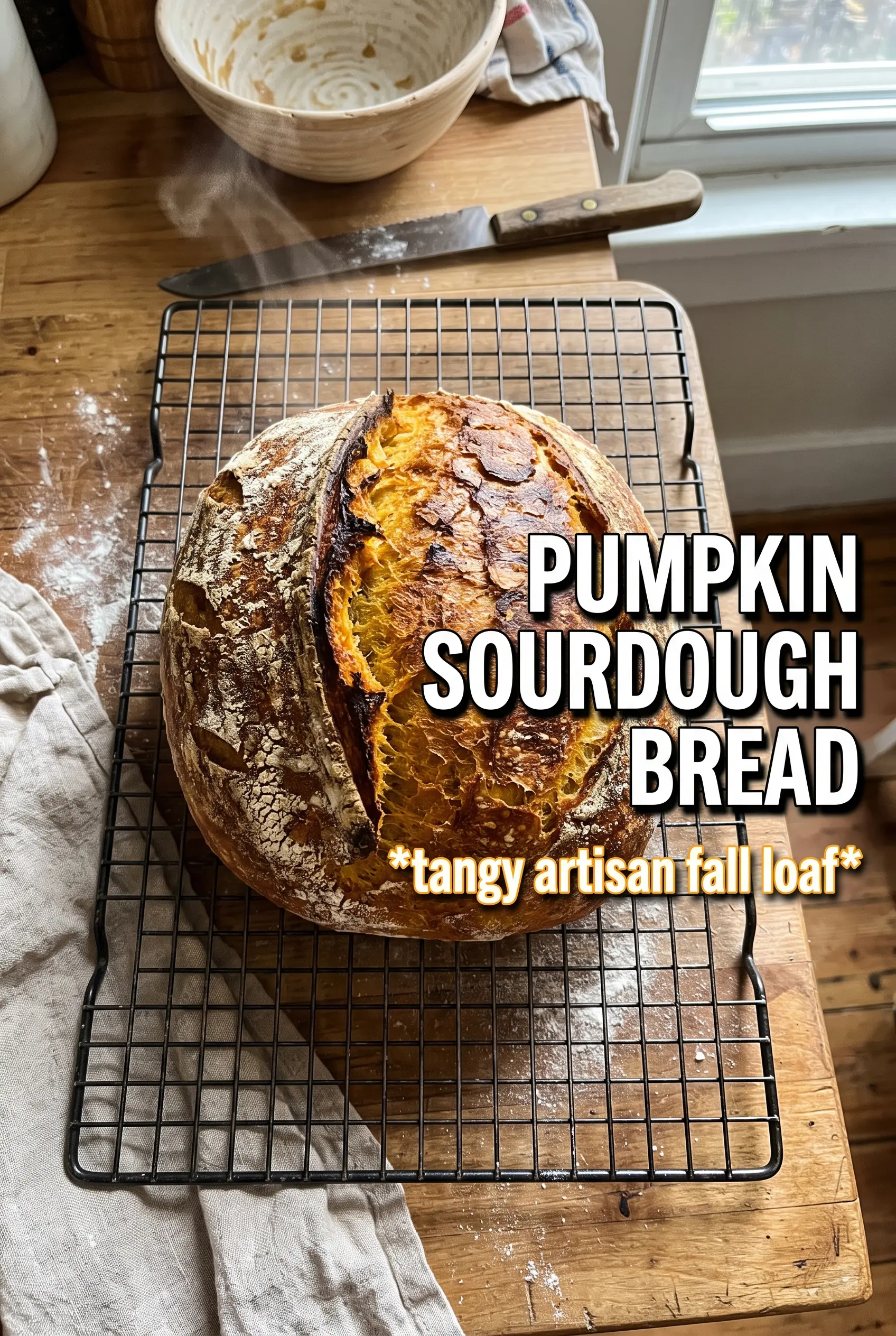
- Uncover and bake for 20-25 minutes at 500F until deeply golden. Aim for a bold caramel-brown crust and a hollow, set feel.
Cool
- Cool the loaf completely on a wire rack before slicing. This prevents gummy crumb and helps the crust finish crisping.
Notes
Pro tip: keep your dough covered during bulk and rest so the surface doesn’t dry out—when you stretch and fold, the dough should feel elastic rather than tearing. Store the cooled loaf in a bread bag for up to 3 days at room temperature. For longer storage, freeze slices for up to 2 months. Dietary swap: replace the whole wheat flour with an equal amount of bread flour for a more tender, lighter crumb while keeping the fermentation schedule the same.