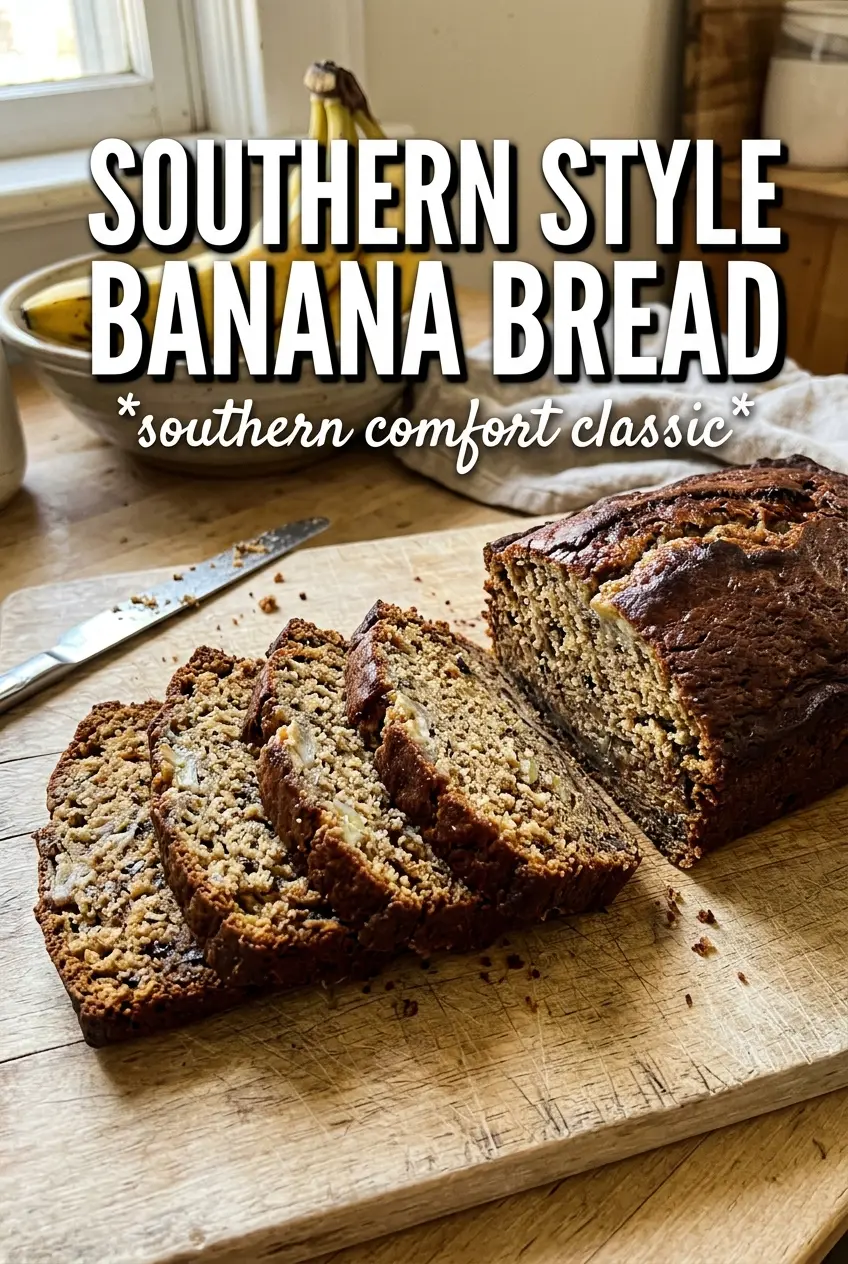
Trisha Yearwood’s banana bread bakes up with a tender crumb, a deep banana aroma, and that golden top that practically begs for a warm slice of butter. It’s the kind of loaf that disappears fast because it lands right between breakfast and snack territory, with enough richness to feel special but not so much that it turns heavy.
The trick here is in the balance. Softened butter gets creamed with sugar first, which gives the loaf a lighter texture than the dense, one-bowl banana breads that can taste flat. The bananas bring moisture and flavor, while the milk and eggs keep the crumb soft without making it gummy. A gentle hand with the flour matters too; once that batter comes together, it’s done.
Below you’ll find the exact cue I use for knowing when the center is baked through, plus a couple of smart swaps if you want to work with what you have on hand.
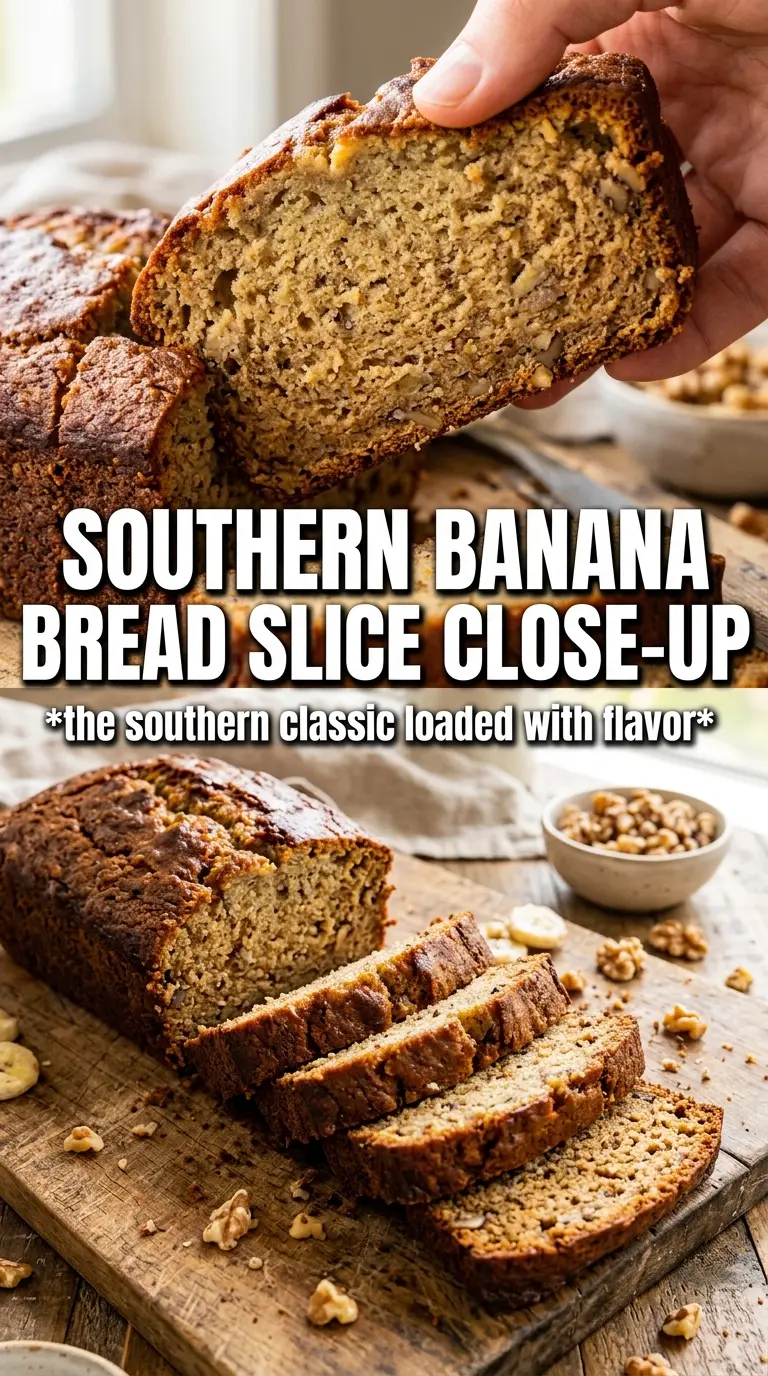
The banana flavor came through without being too sweet, and the loaf stayed moist for three days. I used walnuts and loved the little crunch in every slice.
Love that deep golden crust and soft banana center? Save this Trisha Yearwood banana bread for the next time those ripe bananas start spotting the counter.
The Trick to a Banana Bread That Stays Tender, Not Heavy
The biggest mistake with banana bread is treating it like a quick dump-and-stir loaf when the batter actually needs a little structure at the start. Creaming the butter and sugar traps air, which gives the loaf lift before the bananas go in and start weighing everything down. Skip that step or rush it, and you’ll get a denser, flatter bread with a tight crumb.
The other place people run into trouble is the flour. Once the dry ingredients go in, stir only until the streaks disappear. Overmixing develops gluten and turns a soft banana bread into something chewy at the edges and stodgy in the middle. The batter should look thick and a little lumpy, not smooth like cake batter.
- Ripe bananas — The darker and spottier, the better. They mash smoothly and bring the strongest banana flavor, which you won’t get from yellow bananas.
- Butter — Softened butter gives this loaf its rich, old-fashioned texture. Oil will make it moist too, but it loses that bakery-style flavor and tender bite.
- Baking soda — This reacts with the banana mixture to help the bread rise. If yours is old, the loaf may bake up flat and dull on top.
- Pecans or walnuts — Optional, but they add a nice crunch against the soft crumb. Toast them first if you want a deeper, nuttier flavor.
What Each Ingredient Is Actually Doing in This Recipe
- Primary ingredient (the star) — Quality matters most. Choose the best you can find.
- Cooking medium (oil, butter, or broth) — This carries flavors and prevents dryness.
- Seasonings (salt, pepper, spices, herbs) — Layer flavors so nothing overpowers. Build depth gradually.
- Aromatics (garlic, onion, herbs) — Cook with fat to bloom flavors. Become the foundation.
- Supporting ingredients — Complement the main ingredient without overpowering it.
- Sauce or liquid (if applicable) — Brings flavors together. Balance richness with acid.
- Acid (lemon, vinegar, wine, or other) — Brightens and prevents flat-tasting results.
- Final finish (garnish, glaze, or sauce) — Prevents one-dimensional taste and adds visual appeal.
Building the Batter Without Overworking It
Creaming the Butter and Sugar
Start with butter that yields easily when pressed but still holds its shape. Beat it with the sugar until the mixture looks pale and a little fluffy, not grainy and greasy. That lightening step matters because it helps the loaf rise in the oven. If the butter is melted, the mixture won’t trap air and the bread will bake up more compact.
Adding the Wet Ingredients
Beat in the eggs one at a time if you want the smoothest batter, then add the milk and vanilla. The mixture may look a little loose at this point, and that’s fine. Once the mashed bananas go in, it will thicken up and smell strongly of banana. If the bananas are still in big chunks, mash them a bit more before moving on or you’ll get pockets that bake unevenly.
Folding in the Dry Ingredients
Sift or whisk the flour, baking soda, and salt together so the leavener disperses evenly. Fold them into the wet mixture just until no dry flour remains. Stop as soon as the batter comes together. A few small streaks are better than a loaf that turns tough from too much stirring. Fold in the nuts at the end so they don’t get crushed into the batter.
Knowing When It’s Done
Pour the batter into a greased 9×5 loaf pan and bake at 325°F until the top is a deep golden brown and a toothpick comes out clean from the center. Start checking at 60 minutes, but don’t be fooled if the top is dark before the middle is set. If the center still looks wet, give it a few more minutes and cover loosely with foil if the top is getting too dark. Letting it cool in the pan for at least 15 minutes keeps it from falling apart when you slice it.
How to Tweak This Loaf Without Losing the Texture
Make it nut-free
Leave out the pecans or walnuts and the loaf will still bake up with the same soft crumb. You’ll lose the crunch, but the banana flavor comes through even more clearly. If you want a little texture without nuts, add a handful of rolled oats on top before baking.
Swap in brown sugar for part of the white sugar
Replace up to half the sugar with light brown sugar if you want a deeper, almost caramel note. The loaf will come out a touch more moist and a little darker. Don’t go all the way with brown sugar unless you want a heavier, softer crumb.
Make it dairy-free
Use a plant-based butter and an unsweetened non-dairy milk in the same amounts. The texture stays close, though the flavor loses a little of that classic buttery finish. Stick with a neutral-tasting substitute so the bananas still stay front and center.
Storage and Reheating
- Refrigerator: Keeps well for 4 days in an airtight container, though the crumb firms up a bit in the fridge.
- Freezer: Freezes well for up to 3 months. Wrap the cooled loaf or individual slices tightly in plastic wrap, then foil, and thaw at room temperature.
- Reheating: Warm slices in a toaster oven or a skillet over low heat. Microwaving too long makes the bread gummy, so use short bursts only if you need to.
Questions I Get Asked About This Recipe
Trisha Yearwood's Banana Bread
Ingredients
Equipment
Method
- Preheat oven to 325°F and grease a 9x5 loaf pan.
- Cream butter and sugar until light, then beat in the eggs, milk, and vanilla.
- Stir in mashed bananas until combined.
- Sift flour, baking soda, and salt together and fold into the banana mixture until just combined.
- Fold in pecans or walnuts if using.
- Pour batter into the prepared loaf pan.
- Bake at 325°F for 60–70 minutes until a toothpick comes out clean and the top is a deep golden brown.
- Cool in the pan at least 15 minutes before slicing.
- Serve warm with softened butter.