Moist, golden banana bread doesn’t need a scoop of sugar to taste like a treat. When the bananas are spotty and deeply ripe, they bring enough sweetness on their own to make each slice taste full and satisfying, with a soft crumb and a tender, almost custardy center that settles into the kind of breakfast loaf people keep reaching for all day. The flavor is clean and straightforward, not cloying, which makes this the kind of banana bread that disappears fast without ever feeling heavy.
The trick is leaning on bananas that are past the “eat now” stage and using a little applesauce to keep the loaf soft without piling on extra fat or sweetener. Melted coconut oil gives you a moist crumb, while the eggs help the bread set into neat slices once it cools. Don’t rush the cooling step. Banana bread made without added sugar often needs that extra time to firm up, or the center can seem underdone even when it’s baked through.
Below, I’ve included the one cue that matters most for judging doneness, plus a few smart swaps if you want to make this loaf dairy-free, nutty, or a little heartier with whole wheat flour.
I used bananas that were almost black and the loaf came out naturally sweet with a really soft crumb. It sliced cleanly after cooling, and the applesauce kept it from feeling dry even the next day.
Pin this sugar free banana bread for a soft, naturally sweet loaf made with ripe bananas and no added sugar.
The Mistake That Makes Sugar Free Banana Bread Taste Flat
Without added sugar, banana bread lives or dies by the ripeness of the fruit. Pale yellow bananas won’t give you the depth this loaf needs, and the bread will taste more like plain quick bread with banana in it than true banana bread. You want bananas with heavy brown spotting, soft flesh, and that strong sweet smell that hits the moment you peel them. That’s where the flavor comes from.
The other failure point is overmixing once the flour goes in. Stir just until the dry streaks disappear. If you keep working the batter, the loaf turns tough and tight instead of soft and plush. This batter should look thick and a little rough before it goes into the pan.
- Very ripe bananas — These carry the sweetness here. If yours aren’t ripe enough, the loaf will taste dull no matter what else you do.
- Applesauce — This adds moisture without making the bread greasy. It helps the loaf stay tender after cooling.
- Coconut oil — Melted coconut oil gives a soft crumb and a clean finish. Neutral oil works in a pinch, but coconut oil brings a little more body.
- Whole wheat flour — You can swap in some or all whole wheat flour if you want a nuttier loaf. Go half-and-half first if you’re worried about a denser texture.
What Each Ingredient Is Doing in the Loaf
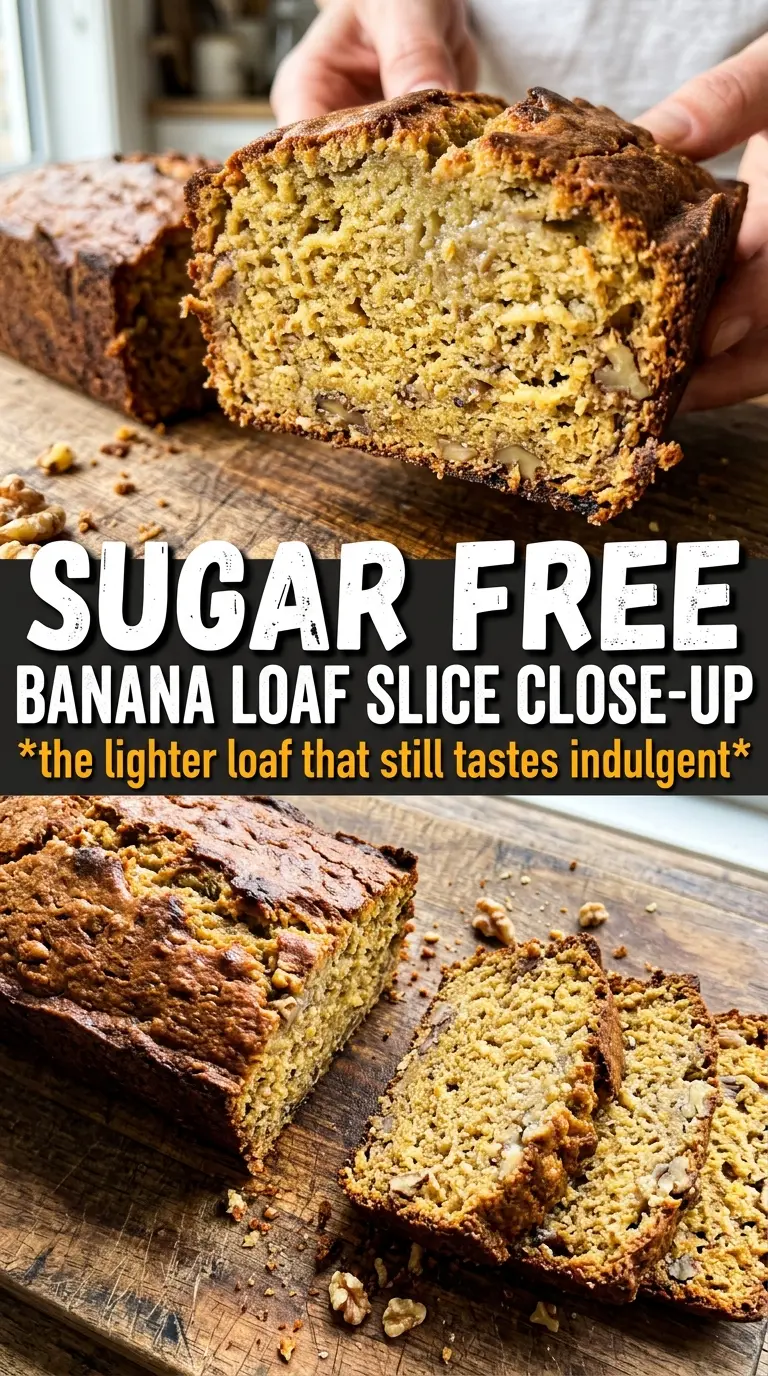
- Bananas — The riper they are, the sweeter and more fragrant the bread becomes. This recipe depends on that natural fruit sugar, so don’t hold back and use bananas that are still firm.
- Eggs — They give the loaf structure and help it slice cleanly once cooled. Without them, the center can stay too soft.
- Unsweetened applesauce — This is the quiet helper that keeps the crumb moist. It also balances the lack of sugar without making the bread taste fruity.
- Flour — All-purpose flour gives the softest crumb, while whole wheat adds a slightly heartier, more rustic texture. If you use all whole wheat, expect a tighter loaf.
- Chocolate chips or nuts — These are optional, but they add texture and a little contrast. Use sugar-free chocolate chips if you want to keep the loaf fully sugar free, or choose chopped walnuts for a more classic banana bread feel.
Mixing It Just Enough, Then Letting the Oven Do the Work
Start with the wet ingredients
Mash the bananas until mostly smooth, but don’t worry about a few small lumps. Whisk them with the eggs, melted coconut oil, vanilla, and applesauce until the mixture looks cohesive and glossy. If the coconut oil is hot, it can scramble the eggs a little, so let it cool briefly after melting before you add it in.
Fold in the dry ingredients gently
Add the flour, baking soda, cinnamon, and salt, then fold until the batter is just combined. Stop as soon as the flour disappears. Overmixing is the fastest way to end up with a dense loaf instead of a tender one, and banana bread batter always looks better when it still has a little texture.
Bake until the center is set
Scrape the batter into the prepared loaf pan and smooth the top. Bake until the top is deeply golden and a toothpick in the center comes out clean or with a few moist crumbs. If the top is browning too quickly before the center is done, lay a loose piece of foil over it for the final stretch.
Cool all the way before slicing
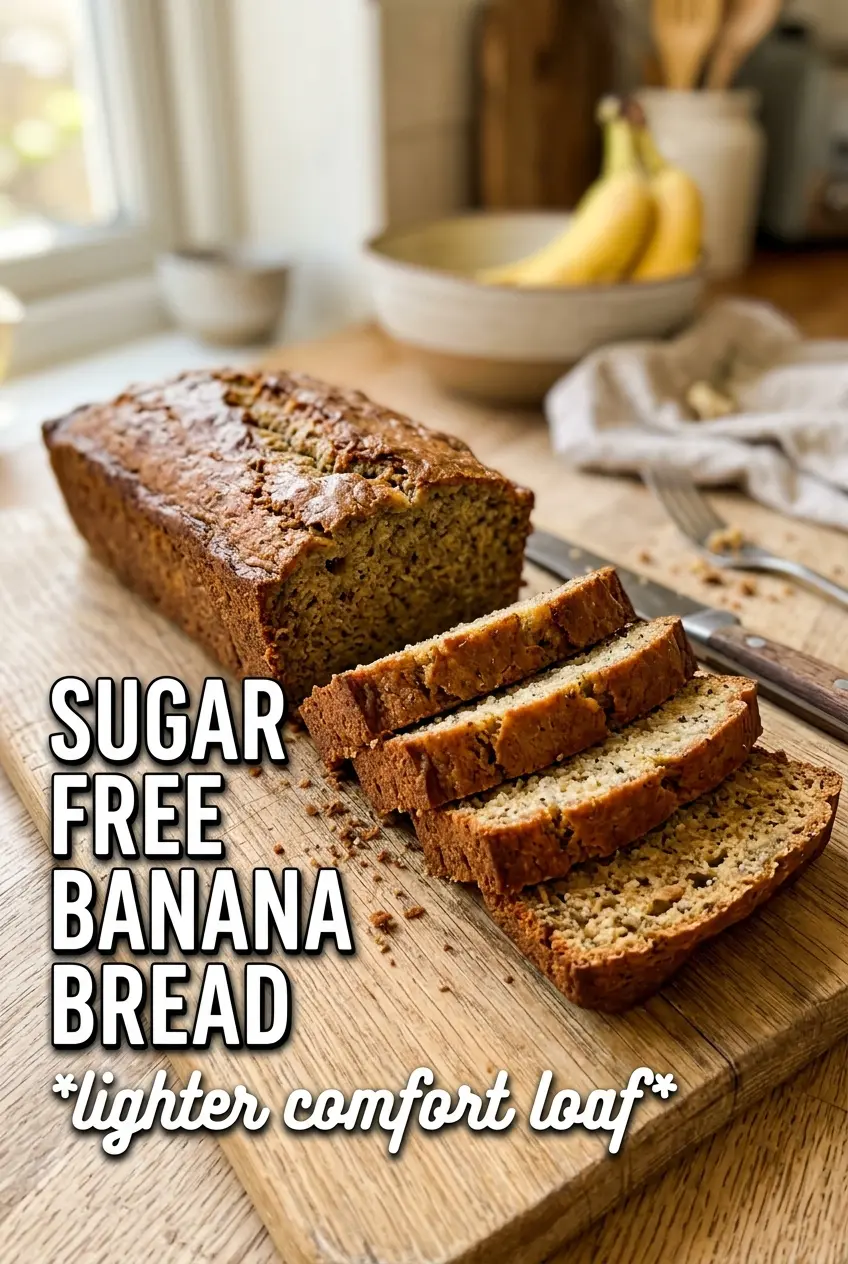
Let the loaf cool in the pan for a bit, then move it to a rack and wait until it’s fully cool before cutting. This is the part people skip, and it’s why banana bread often seems gummy in the middle. As it cools, the crumb finishes setting and the slices hold together instead of collapsing.
How to Adapt This Loaf Without Losing the Good Texture
Make it gluten-free with a 1:1 baking blend
A good gluten-free 1:1 flour blend usually works here because banana bread doesn’t need a lot of structure from yeast or gluten development. The loaf may be a little more delicate when warm, so let it cool completely before slicing.
Use whole wheat flour for a heartier breakfast loaf
Whole wheat flour brings a nuttier flavor and a slightly denser crumb. If you want the best balance, use half all-purpose and half whole wheat so the loaf still stays soft and doesn’t tip into dry territory.
Swap the coconut oil for neutral oil
A mild oil like avocado or canola keeps the texture moist if you don’t want any coconut flavor. The loaf will still be tender, but the finished taste will be a little more neutral and less rich.
Add nuts or sugar-free chocolate chips for more contrast
A handful of chopped walnuts gives the bread crunch and balances the soft crumb, while sugar-free chocolate chips make it feel more dessert-like. Fold them in at the end so they stay evenly distributed instead of sinking.
Storage and Reheating
- Refrigerator: Store tightly wrapped for up to 5 days. The crumb firms up a bit in the fridge, but the flavor stays good.
- Freezer: This loaf freezes well. Slice it first, wrap individual pieces, and freeze for up to 3 months so you can thaw only what you need.
- Reheating: Warm slices in the toaster oven or microwave just until heated through. Don’t overheat it, or the bread can dry out and lose that soft banana texture.
Questions I Get Asked About This Recipe
Sugar Free Banana Bread
Ingredients
Equipment
Method
- Preheat oven to 350°F and grease a 9x5 loaf pan.
- Whisk mashed bananas, eggs, melted coconut oil, vanilla, and applesauce until smooth and combined, with no visible streaks.
- Fold in flour, baking soda, cinnamon, and salt until just combined, stopping as soon as the dry pockets disappear.
- Fold in sugar-free chocolate chips or nuts if using, spreading them evenly through the batter.
- Pour the batter into the pan and smooth the top so it bakes evenly.
- Bake for 60–70 minutes until the top is deeply golden and a toothpick inserted in the center comes out clean.
- Cool completely before slicing, since the bread firms up significantly as it cools.