Parmesan Roasted Brussels Sprouts come out with the kind of contrast that makes people reach for seconds before they’ve finished the first serving: tender centers, browned edges, and a salty, lacy cheese crust that crackles a little when you move them from the pan. The cut sides caramelize against the hot sheet pan, and the Parmesan melts into a thin golden layer instead of disappearing into the vegetables.
The trick is putting the sprouts cut-side down on top of the cheese and letting the oven do the work. That gives you direct contact where the browning happens, while the garlic and olive oil coat the sprouts just enough to help the edges blister without burning. A little lemon at the end keeps the whole dish from tasting heavy.
Below, I’ve included the few details that matter most: how to keep the cheese crust from sticking, what to do if your sprouts are bigger or smaller than average, and a couple of variations that keep this side dish useful all year long.
The Parmesan got crispy instead of greasy, and the Brussels sprouts were tender with those browned edges everyone kept fighting over.
Love these crispy Parmesan Roasted Brussels Sprouts? Save them to Pinterest for the nights when you want a fast side dish with a golden cheese crust.
The Trick to a Crisp Parmesan Crust Instead of a Soggy Pan
The biggest mistake with roasted Brussels sprouts is crowding them or burying the cheese under the vegetables. Parmesan needs direct heat and direct contact with the pan to turn crisp; if the sprouts sit on top of it too loosely, the cheese steams and clumps instead of forming that thin, brittle crust.
Cutting the sprouts in half matters more than people think. The flat side gives you a surface that can brown deeply, and the smaller, more even pieces finish at the same time. If some of your sprouts are much larger, quarter them so you don’t end up with a mix of charred outer leaves and underdone centers.
- Brussels sprouts — Fresh, firm sprouts brown better than soft ones with loose leaves. Trim the stem end just enough to clean it up, then halve them through the core so they hold together in the oven.
- Parmesan — Grated Parmesan melts and crisps much better than finely shredded or shelf-stable powdered cheese. If you use a very finely grated style, it can brown faster, so watch it closely in the last few minutes.
- Olive oil — This helps the sprouts blister and keeps the garlic from burning before the vegetables are tender. A neutral oil works in a pinch, but olive oil gives the best flavor here.
- Lemon juice — Add it at the end, not before roasting. Acid dulls browning if it goes in early, but a little squeeze after roasting cuts through the richness and wakes everything up.
What Each Ingredient Is Actually Doing Here
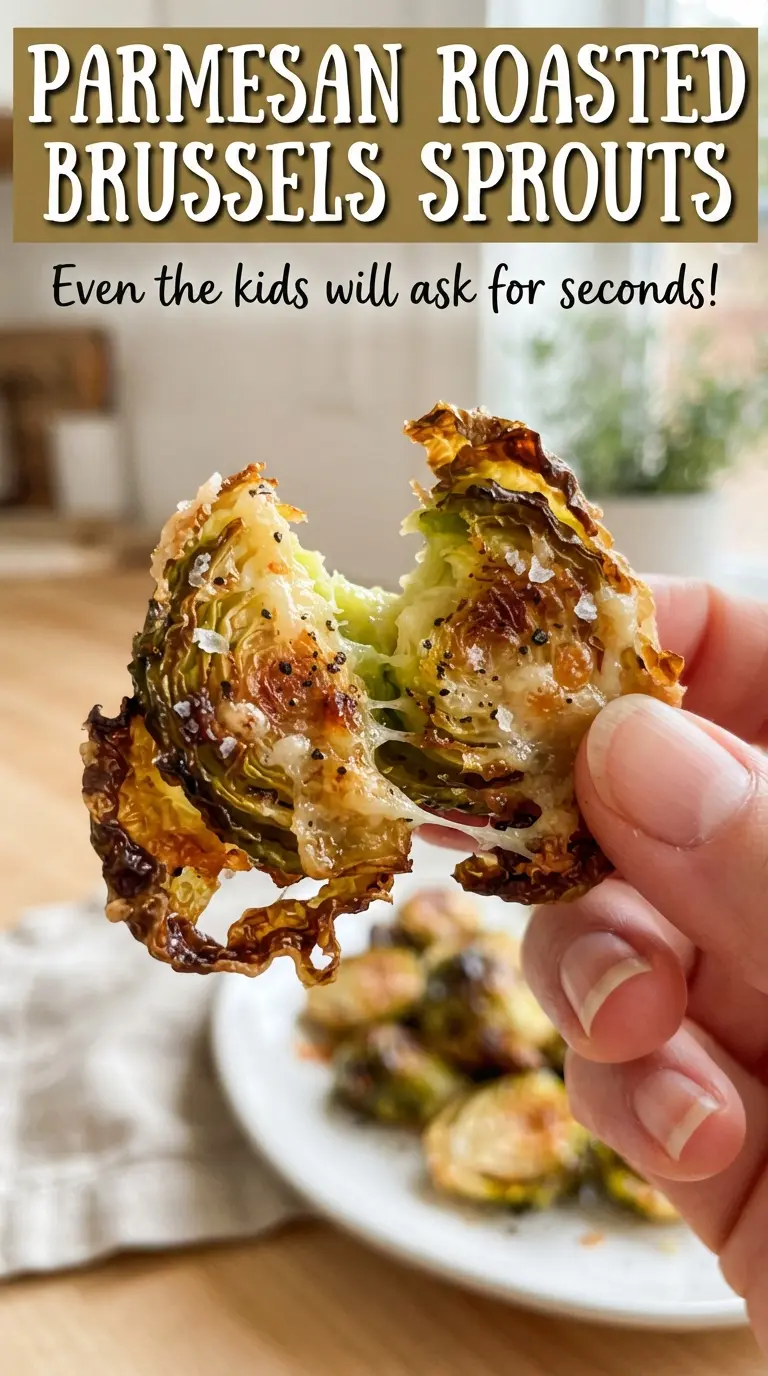
- Brussels sprouts — These need enough space and enough heat to caramelize. If they’re packed too tightly, they release steam and lose the crispy edges that make this dish worth making.
- Olive oil — The oil coats the cut surfaces so they brown instead of drying out. You don’t need a heavy hand, but you do need enough to lightly gloss every piece.
- Garlic — Minced garlic perfumes the sprouts as they roast, but it can scorch if it’s left in dry clumps. Toss it well with the oil so it’s distributed and protected.
- Parmesan — This is the crust. It’s the ingredient that transforms simple roasted vegetables into something people keep picking at straight off the pan.
- Lemon juice — A finishing squeeze brightens the salty cheese and keeps the flavor from flattening. Fresh lemon works best because bottled juice can taste sharp in the wrong way.
How to Roast Them So the Cheese Clings and the Edges Char
Heating the Pan and Lining Up the Sprouts
Start with a hot oven and a parchment-lined sheet pan. The parchment helps with cleanup, but don’t use so much oil that the sprouts slide around; they need steady contact with the pan to brown properly. Spread the Parmesan in an even layer first, then place the sprouts cut-side down on top of it so the cheese can fuse into the underside as it roasts.
Roasting Until Tender, Not Soft
Roast until the bottoms are deeply golden and the outer leaves are crisp at the edges. If the sprouts are still hard in the center but the cheese is already dark, your pieces are too large or your pan is too crowded. Give them room, and if needed, rotate the pan once during cooking so the crust colors evenly.
Finishing with Lemon at the Table
Squeeze the lemon juice over the sprouts as soon as they come out of the oven. That little hit of acid keeps the cheese from tasting heavy and makes the roasted flavor pop. Serve them hot; the crust is at its best right after baking, while it’s still crisp around the edges.
Three Ways to Make These Roasted Brussels Sprouts Work at Your Table
Dairy-Free Version
Skip the Parmesan and roast the sprouts with olive oil, garlic, salt, and pepper only. You’ll lose the cheese crust, but the vegetables still caramelize nicely, and a finish of lemon plus a sprinkle of nutritional yeast gives a little extra savoriness without trying to mimic cheese exactly.
Extra-Crispy, Lower-Carb Side
Use a little less oil and keep the sprouts cut-side down the whole time. The result is a drier, sharper roast with more browned edges and less of the soft, glossy finish you get from heavier oiling.
Garlic and Herb Variation
Add a pinch of dried thyme or rosemary with the oil before roasting. Dried herbs hold up better than fresh here, and they bring a woodsy note that works well if you’re serving the sprouts alongside roast chicken or pork.
Storage and Reheating
- Refrigerator: Store leftovers in an airtight container for up to 3 days. The crust softens, but the flavor stays good.
- Freezer: Not my first choice. The sprouts lose their crisp edges after freezing and thawing, so this dish is best made fresh.
- Reheating: Reheat on a sheet pan in a 400F oven until hot and the edges crisp back up. The microwave makes the cheese rubbery and the sprouts watery, which is exactly what you’re trying to avoid.
Questions I Get Asked About This Recipe
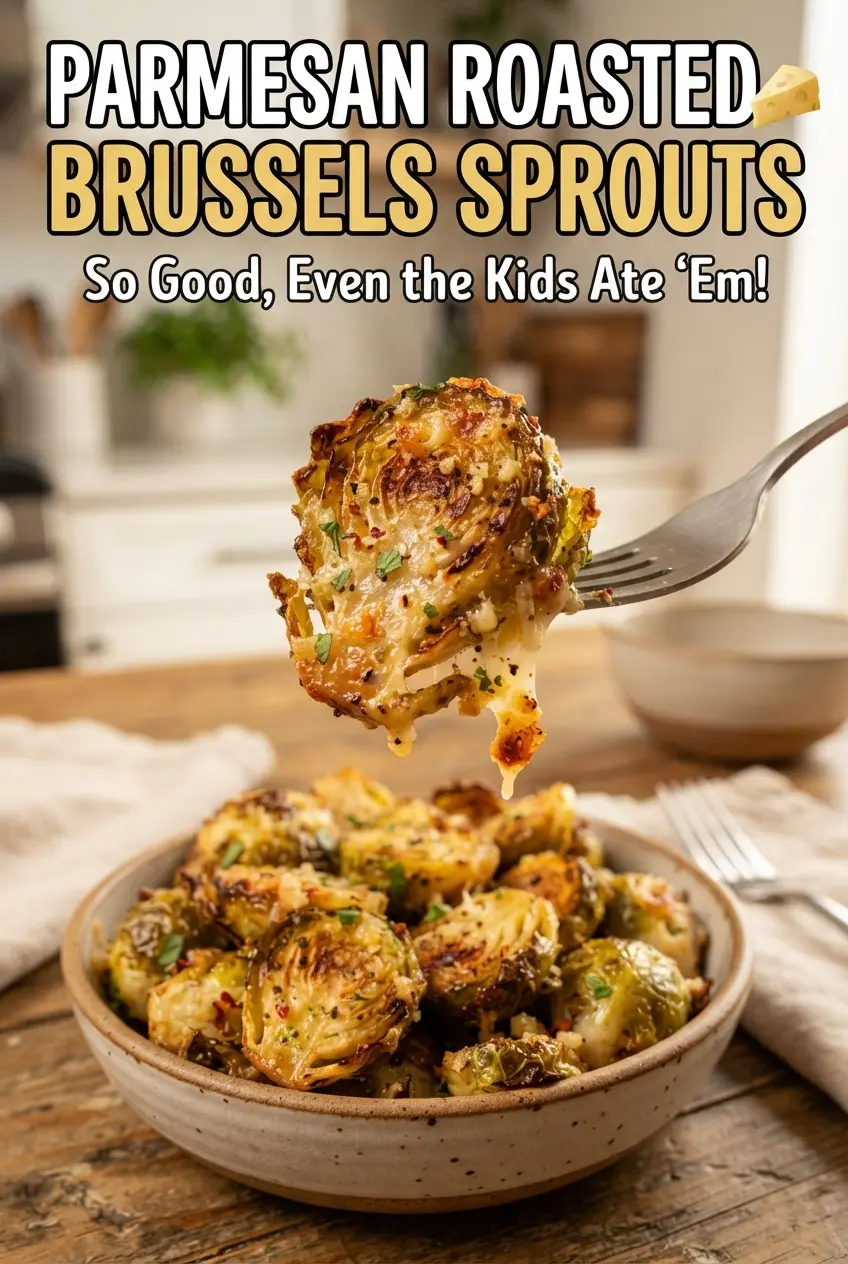
Parmesan Roasted Brussels Sprouts
Ingredients
Equipment
Method
- Preheat oven to 425F and line a sheet pan with parchment. This sets up direct, hot-roasting for crisp edges.
- Toss Brussels sprouts with olive oil, garlic, salt, and black pepper. Coat the cut surfaces so they caramelize and char evenly.
- Sprinkle Parmesan evenly over the pan and place the sprouts cut-side down on top of the cheese. Arrange in a single layer for a lacy, golden crust.
- Roast for 20-25 minutes at 425F until the sprouts are tender and the Parmesan forms a golden crust. Look for crisp, browned edges and a set, lacy cheese layer.
- Squeeze lemon juice over the top and serve hot. The bright citrus wakes up the roasted, nutty Parmesan.