Golden zucchini bread with a tender, moist crumb is one of those bakes that disappears fast because it never tastes like a compromise. The outside turns deeply browned and the center stays soft and sliceable, with enough structure to hold together cleanly instead of sinking into a gummy middle. When it’s done right, no one is reaching for a second slice because it’s gluten-free — they’re reaching because it’s just good bread.
What makes this version work is the balance between almond flour and tapioca starch, plus zucchini that’s squeezed dry before it ever hits the bowl. That step matters. Zucchini carries a lot of water, and if you skip the squeeze, the loaf can bake up dense in the middle and fragile at the edges. Greek yogurt adds moisture without making the batter heavy, and the eggs give the loaf the lift and structure gluten usually would.
Below, I’ve included the little details that keep the crumb from turning soggy, plus the swaps that work if you need a dairy-free version or want to use a different flour blend. The cooling time is part of the recipe, not an optional wait.
The zucchini was perfectly hidden and the loaf sliced cleanly after cooling. I used the almond flour and tapioca starch exactly as written, and the crumb stayed moist without getting dense.
Save this gluten-free zucchini bread for the loaf that stays moist, slices cleanly, and tastes like the real thing.
The Step That Keeps Gluten-Free Zucchini Bread from Turning Dense
With gluten-free quick breads, the biggest mistake is treating the batter like a regular zucchini loaf and overmixing once the dry ingredients go in. Almond flour doesn’t behave like wheat flour. It won’t develop gluten, but it will still get heavy if you stir it too long, and that’s how you lose the tender crumb and end up with a loaf that feels compact in the center.
The other failure point is moisture. Zucchini looks harmless, but it releases a lot of water during baking, and that extra liquid can make the middle sink or taste underbaked even when the top looks done. Squeezing the zucchini dry before folding it in gives you a loaf that sets properly and slices without collapsing. The 20-minute cooling period matters for the same reason: almond flour breads finish firming as they cool.
What Each Ingredient Is Actually Doing in This Loaf
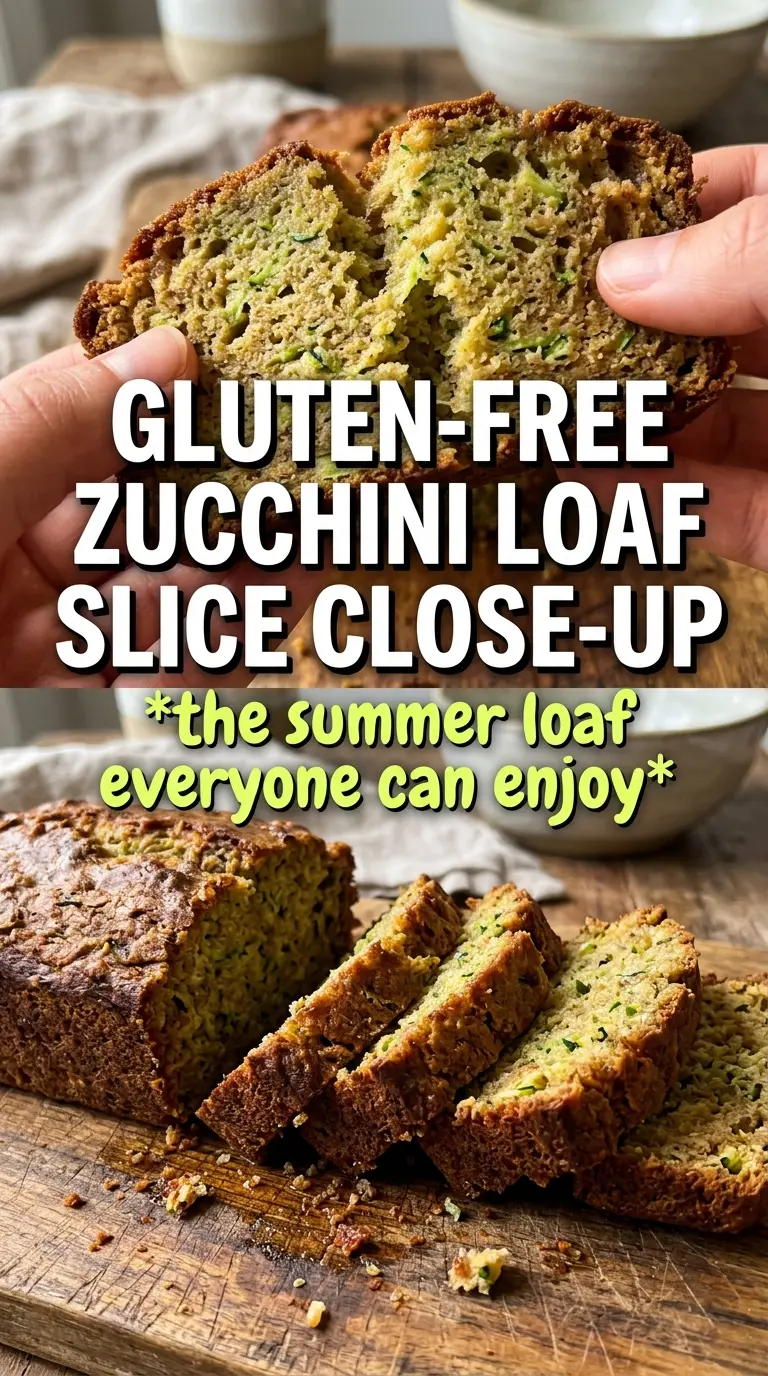
- Almond flour — This is the backbone of the loaf if you want that rich, tender crumb. It brings moisture and body, but it can’t replace the lightness that starch provides, so don’t skip the tapioca if you’re using almond flour.
- Tapioca starch — This is what helps the bread feel sliceable instead of crumbly. It adds a little stretch and lift that almond flour alone can’t give you. If you use a certified gluten-free all-purpose blend instead, you can usually leave it out.
- Greek yogurt — This keeps the loaf soft without making it greasy. Sour cream works in the same amount if that’s what you have. Plain yogurt is fine too, as long as it’s thick enough to blend smoothly into the batter.
- Zucchini — Grate it fine, then squeeze it until it feels almost dry in your hands. That extra minute saves the loaf from turning wet and heavy. You want the flavor and tenderness, not the water.
- Eggs — These are the structure here. They hold the loaf together and help it rise, which is especially important in a gluten-free bake.
- Cinnamon — It doesn’t just add warmth. It keeps the loaf tasting complete and gives the zucchini a friendlier, bakery-style flavor.
Building the Batter Without Losing the Tender Crumb
Mix the dry ingredients first
Whisk the almond flour, tapioca starch, baking soda, baking powder, salt, and cinnamon together until the mixture looks even and fluffy. This keeps the leaveners from clumping in one spot, which matters more here than in a wheat-based loaf because the batter is thicker and less forgiving. If you see streaks of baking soda in the finished bread, the dry bowl wasn’t mixed long enough.
Whip the wet ingredients until smooth
Beat the sugar, eggs, coconut oil, yogurt, and vanilla together until the mixture looks glossy and fully blended. The coconut oil should be melted, not hot, or it can start cooking the eggs. If the batter looks grainy at this stage, keep mixing a little longer before you add the zucchini.
Fold in the zucchini and stop early
Stir in the grated zucchini, then add the dry ingredients and fold only until the flour disappears. A few streaks are better than a batter that’s been worked too much. If you’re using walnuts or chocolate chips, fold them in at the end so they stay evenly distributed instead of sinking to the bottom.
Bake until the center has set
Scrape the batter into a greased 9×5 loaf pan and bake at 350°F until the top is golden and a toothpick comes out clean, usually 50 to 60 minutes. The loaf should look domed and feel set in the middle when you gently press the top. If the top browns too quickly, lay a loose piece of foil over it for the last 15 minutes so the center can finish without overbaking the crust.
How to Adapt This Gluten-Free Zucchini Bread for Different Kitchens
Dairy-Free Version
Swap the Greek yogurt for an equal amount of unsweetened coconut yogurt or a thick dairy-free yogurt. The loaf will still stay moist, but it may bake up a touch softer and need the full cooling time before slicing. Don’t use a thin, drinkable yogurt here or the batter will loosen too much.
Using a Certified Gluten-Free Flour Blend
If you don’t want to use almond flour, a 1:1 certified gluten-free all-purpose blend works well, and you can leave out the tapioca starch. The texture will be a little more bread-like and a little less rich, but it will still slice neatly. Check the blend label for xanthan gum so you know whether the loaf has enough structure on its own.
Make It More Dessert-Like
Fold in chocolate chips instead of walnuts for a sweeter loaf that tastes closer to coffee cake bread. The chips add pockets of meltiness, but they also weigh the batter down a little, so keep the zucchini well squeezed and don’t overfill the pan. A light sprinkle of sugar on top before baking gives the crust a little crackle.
Storage and Reheating
- Refrigerator: Store slices in an airtight container for up to 5 days. The crumb stays moist, but the loaf will firm up in the fridge.
- Freezer: This freezes well. Wrap the cooled loaf or individual slices tightly and freeze for up to 3 months.
- Reheating: Thaw at room temperature, then warm slices in a toaster oven or low oven for a few minutes. Don’t microwave too long or the texture can turn rubbery.
Questions I Get Asked About This Recipe
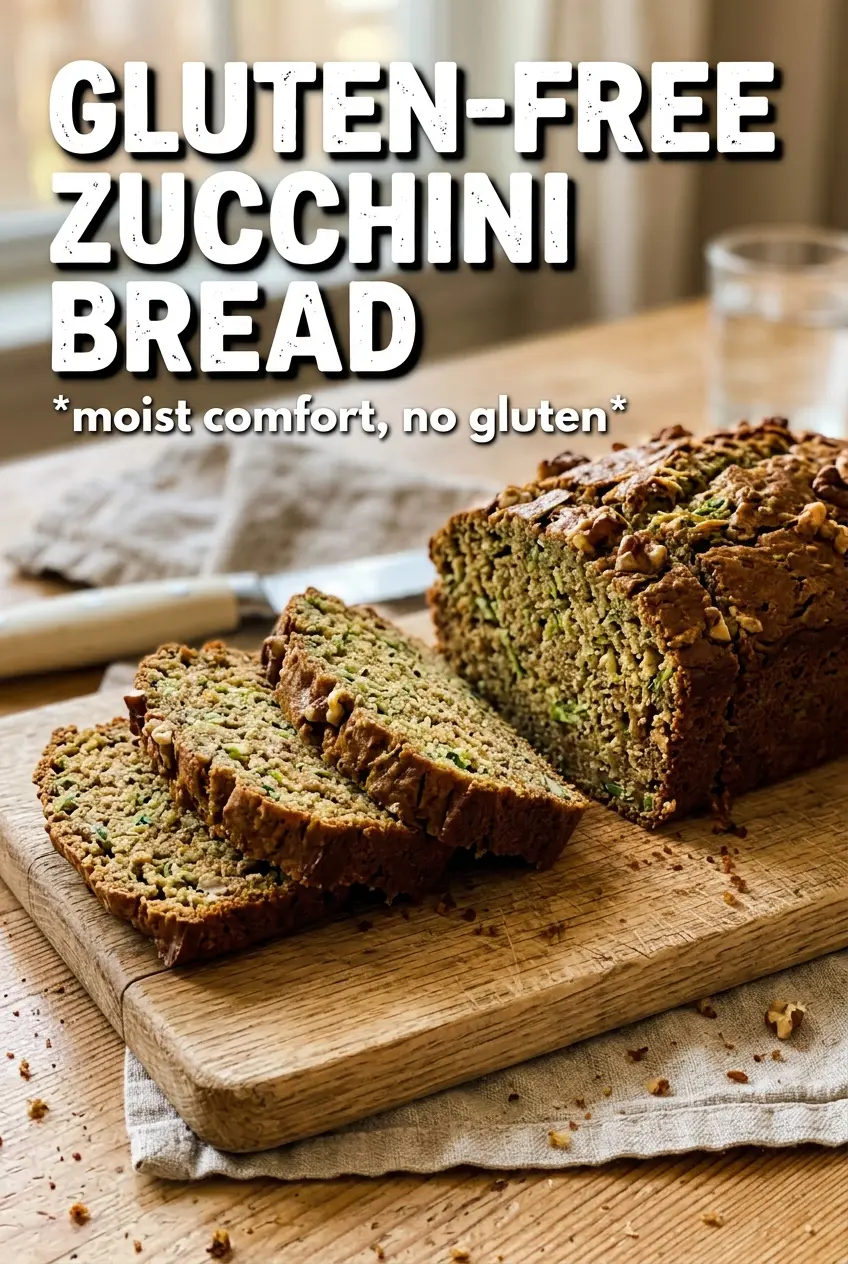
Gluten-Free Zucchini Bread
Ingredients
Equipment
Method
- Preheat the oven to 350°F and grease a 9x5 loaf pan.
- Grate the zucchini and squeeze it very dry so excess moisture doesn’t loosen the crumb.
- Whisk the almond flour, tapioca starch, baking soda, baking powder, salt, and cinnamon together.
- In a separate bowl, beat the sugar, eggs, coconut oil, Greek yogurt, and vanilla until smooth.
- Stir the squeezed zucchini into the wet mixture.
- Fold the dry ingredients into the wet until just combined; fold in walnuts or chocolate chips if using.
- Pour the batter into the loaf pan and bake for 50–60 minutes, until a toothpick comes out clean and the top is golden.
- Cool the loaf for 20 minutes before slicing so it firms as it cools.