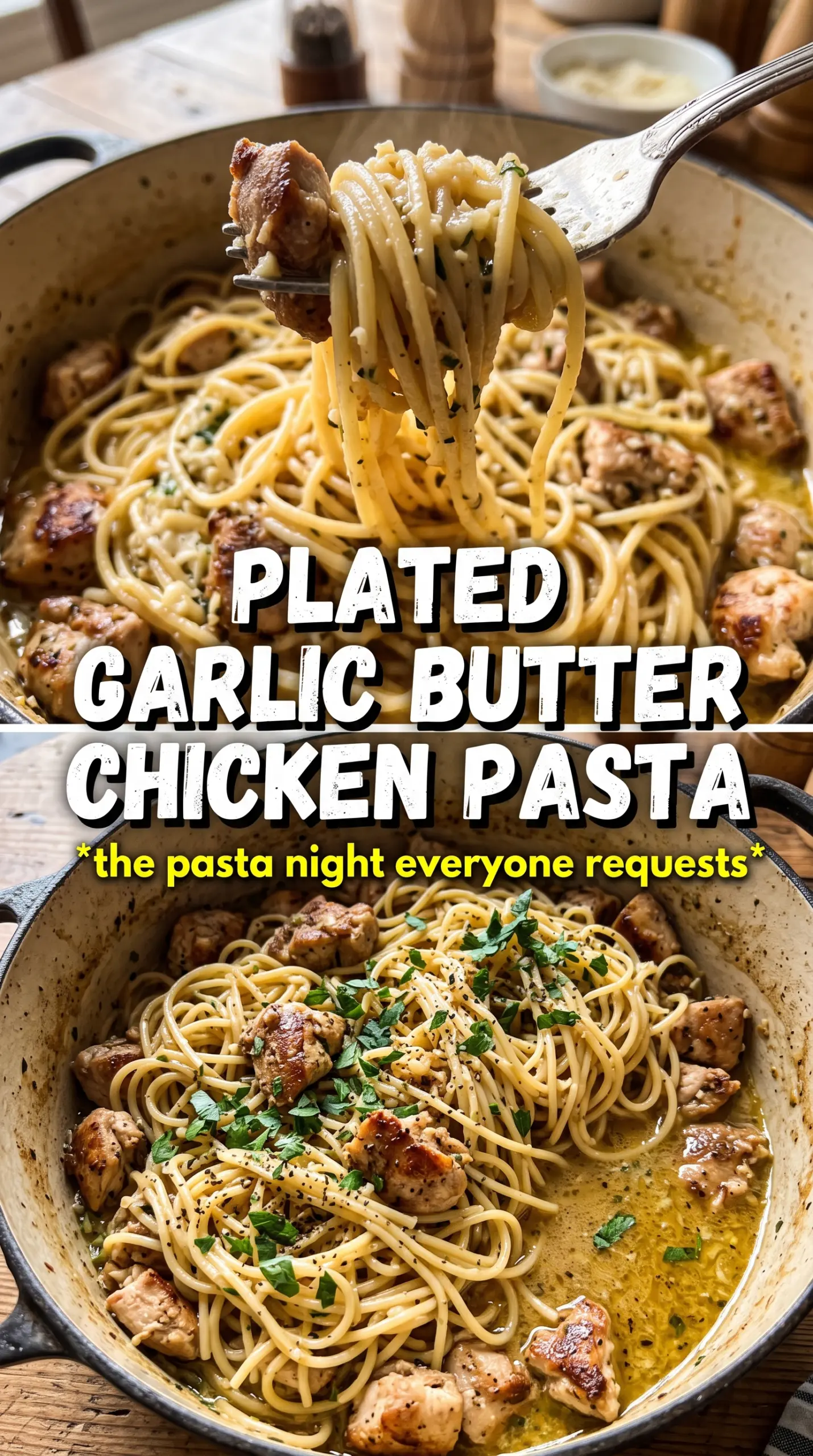
Garlic butter chicken pasta lands in that sweet spot where the sauce clings to every strand, the chicken stays juicy, and the whole pan tastes like more effort than it actually took. The butter turns glossy with garlic, the Parmesan melts into the pasta water, and the finished dish eats like a proper dinner instead of a rushed one-pan compromise.
What makes this version work is timing. The chicken gets a hard sear first, then comes out of the pan so the garlic can cook in the buttery drippings without scorching. Lemon juice cuts the richness just enough, and a little reserved pasta water gives the sauce the silkiness that plain butter alone can’t manage.
Below, I’ll show you how to keep the garlic fragrant instead of bitter, how to use pasta water the right way, and the small finish that makes this feel restaurant-level without turning it fussy.
The sauce coated the spaghetti beautifully and the garlic stayed mellow, not burnt. I added a little extra pasta water at the end and it turned silky instead of greasy.
Save this garlic butter chicken pasta for the nights when you want glossy spaghetti, seared chicken, and a fast sauce that finishes in the skillet.
The Garlic Gets Better When You Don’t Rush the Pan
The biggest mistake with garlic butter pasta is adding the garlic into a pan that’s too hot or leaving it there too long. Garlic goes from fragrant to bitter fast, and once it burns, the whole sauce tastes harsh. That’s why the butter goes in after the chicken is out and the heat drops to medium, giving the garlic enough time to soften and turn golden at the edges without frying hard.
The other piece people miss is the pasta water. Butter and Parmesan need help emulsifying, and that starchy water is what turns them into a sauce that coats instead of slides off. Add it gradually. If you pour in too much at once, the sauce loosens before it has a chance to cling to the spaghetti.
- Chicken strips — Cutting the chicken into strips helps it brown quickly and stay tender. Thick chunks take longer and usually dry out before the outside picks up enough color.
- Butter — This is the base of the sauce, so use real butter here. Salted or unsalted both work, but if you use salted butter, season the chicken a little more carefully.
- Fresh garlic — Fresh cloves matter. Jarred garlic tends to taste dull and can bring extra moisture into the pan, which works against the clean, glossy finish you want.
- Parmesan — Freshly grated Parmesan melts much better than the shelf-stable kind. Pre-shredded cheese can clump because of anti-caking agents, and that’s how you end up with a grainy sauce.
- Lemon juice — This doesn’t make the pasta taste lemony. It keeps the butter from tasting heavy and gives the final dish a sharper finish.
What Each Ingredient Is Actually Doing in This Dish
- Olive oil — The oil keeps the butter from taking the full hit of the pan heat during the chicken sear. You still get buttery flavor later, but the chicken browns more reliably with the oil in the mix.
- Red pepper flakes — Just a little heat wakes up the garlic butter without turning this into a spicy pasta. If you’re serving kids or anyone sensitive to heat, use a pinch or leave it out.
- Italian seasoning — This is the background note that makes the chicken taste seasoned all the way through. If yours is old and dusty, replace it; dried herbs that have lost their aroma won’t contribute much.
- Fresh parsley — Parsley is a finishing herb, not a garnish here. It adds a fresh, green note that keeps the final plate from tasting flat and one-dimensional.
Building the Sauce in the Same Pan Without Breaking It
Getting the Chicken Browned First
Season the chicken well and lay it in a hot skillet in a single layer. You want a real sear on the outside and no pale, steamed patches, so don’t crowd the pan. If the strips are packed in too tightly, they’ll release moisture and turn gray before they ever brown. Cook them until they’re golden and just cooked through, then move them out of the skillet so they don’t keep overcooking while you finish the sauce.
Letting the Garlic Fragrant Instead of Bitter
Drop the heat to medium before the butter and garlic go in. The garlic should sizzle gently and smell sweet within a minute or two, with just a little gold at the edges. If it starts browning fast, pull the pan off the burner for a moment. Burnt garlic can’t be fixed, and it will take the whole dish with it.
Tossing the Pasta Into a Glossy Sauce
Add the cooked spaghetti directly to the skillet with the lemon juice, then splash in pasta water a little at a time. Toss and lift the pasta so the sauce gets into all the strands instead of pooling underneath. You’re looking for a glossy coating that clings to the noodles without looking oily. Stir in the Parmesan off the heat if the pan is scorching hot, because cheese melts smoother when the heat is controlled.
Bringing It All Together
Put the chicken back on top, along with any juices that collected on the plate. Those juices carry flavor, and leaving them behind is a waste. Finish with parsley and a generous extra shower of Parmesan. Serve it right away, while the sauce is still loose and silky, because butter sauces tighten up as they sit.
Three Ways to Make Garlic Butter Chicken Pasta Fit What You Have
Gluten-Free Version
Use your favorite gluten-free spaghetti and cook it just shy of fully tender so it can finish in the sauce without turning mushy. The sauce itself is naturally gluten-free, but gluten-free pasta usually needs a little gentler tossing and a bit more pasta water to keep it from clumping.
Dairy-Free Swap
Swap the butter for a good plant-based butter and skip the Parmesan or use a dairy-free Parmesan-style topping. You’ll lose a little of that classic rich finish, but the garlic, lemon, and chicken still carry the dish nicely if you keep the sauce moving with pasta water.
Use Chicken Thighs Instead
Boneless chicken thighs work well if you want a richer, juicier result. They take a little longer to cook through, but they stay tender even if you give them a deep sear. Cut them into even strips so the timing stays close to the original recipe.
Make It More Garlicky Without Burning It
If you want a stronger garlic hit, add an extra clove or two and grate them very fine so they soften faster in the butter. What you don’t want is bigger chunks, because they’re more likely to scorch before the sauce comes together.
Storage and Reheating
- Refrigerator: Store leftovers in an airtight container for up to 3 days. The sauce will tighten and the pasta will soak up more of it as it sits.
- Freezer: It freezes, but the texture softens after thawing, so I prefer it fresh. If you do freeze it, cool it completely and pack it tightly in a freezer-safe container for up to 2 months.
- Reheating: Reheat gently in a skillet over low heat with a splash of water or broth. The common mistake is blasting it in the microwave until the butter separates and the chicken turns dry.
Questions I Get Asked About This Recipe
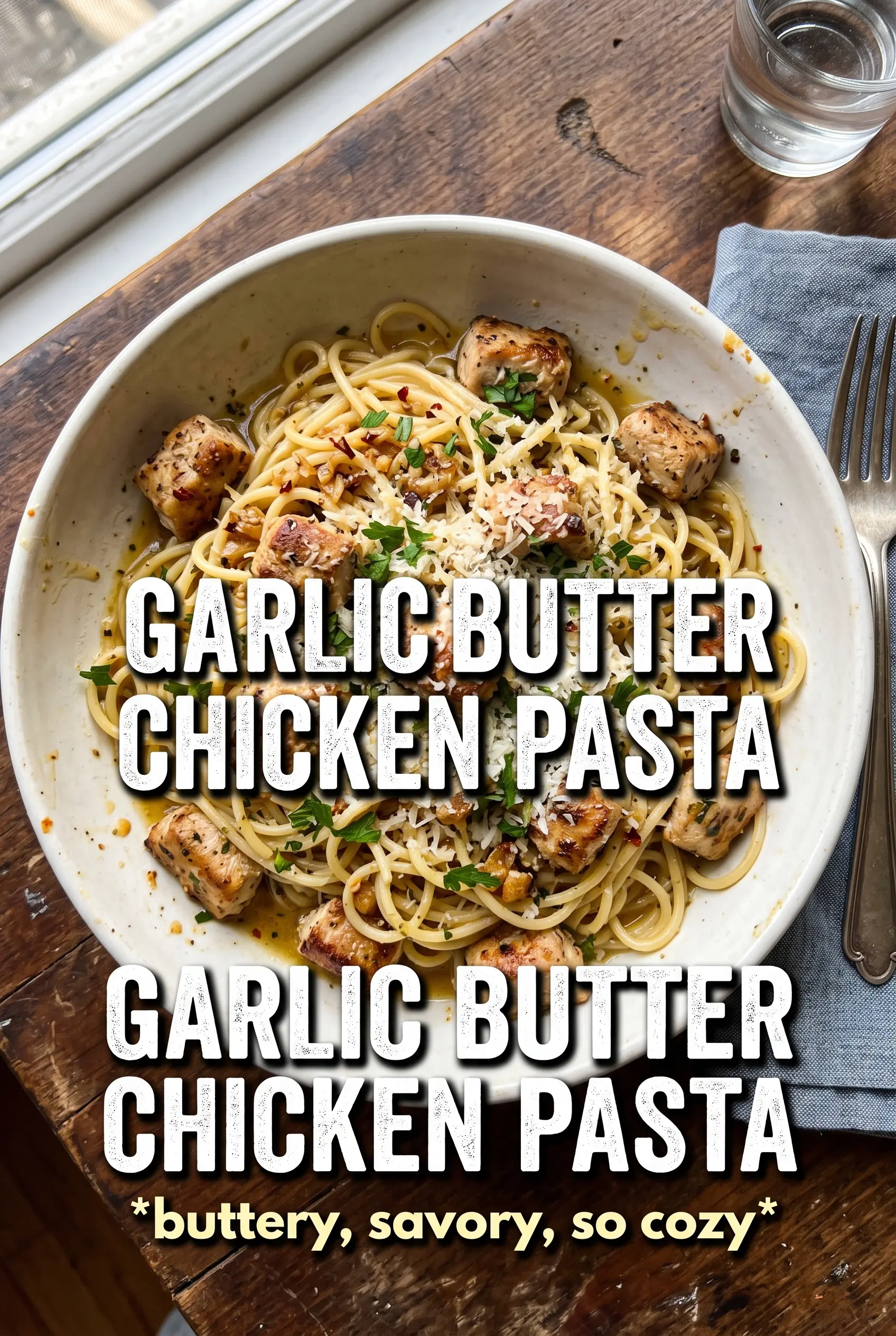
Garlic Butter Chicken Pasta
Ingredients
Equipment
Method
- Season the chicken strips with salt, pepper, garlic powder, and Italian seasoning. Heat olive oil in a large skillet over medium-high heat and sear chicken until golden and cooked through, 4–5 minutes per side, then remove and set aside.
- Melt the butter in the same skillet over medium heat. Add minced garlic and red pepper flakes and cook 1–2 minutes until fragrant and golden at the edges.
- Add the lemon juice to the skillet, then toss in the cooked spaghetti. Add reserved pasta water a splash at a time, tossing until the pasta is evenly coated and glossy.
- Top the pasta with the seared chicken strips so they’re visible throughout. Sprinkle Parmesan and fresh parsley generously over the top, then serve immediately.