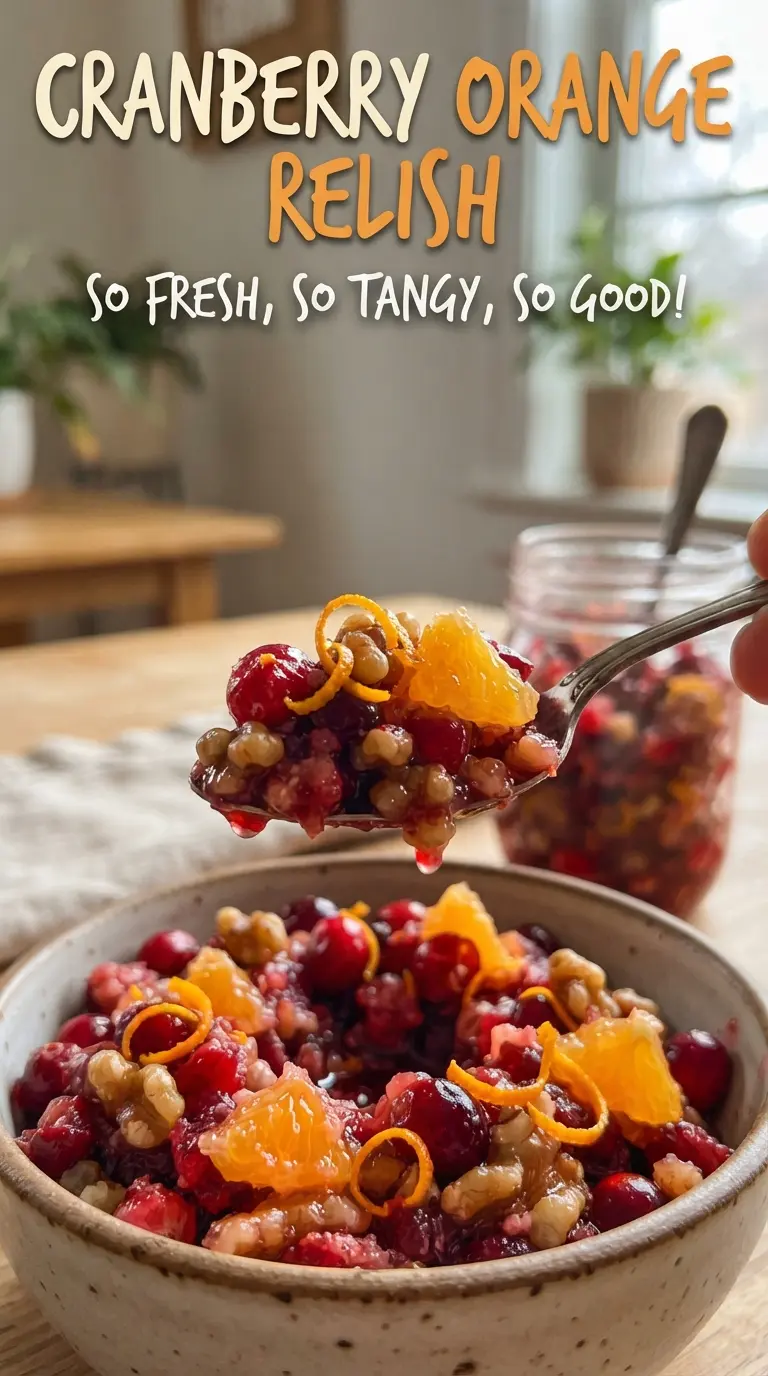
Bright cranberry orange relish cuts through rich holiday food with a sharp, clean bite and just enough sweetness to keep it balanced. The texture stays fresh and juicy instead of turning into a smooth sauce, so every spoonful gives you tart cranberry, fragrant orange zest, and little bits of orange flesh. It’s the kind of side that wakes up a plate of turkey, ham, or even a leftover sandwich the next day.
What makes this version work is the whole orange, peel and all. The zest does the heavy lifting here, but the orange pieces also bring bitterness and perfume that keep the relish from tasting one-note. A food processor takes the work out of chopping, but you still want to stop before it turns to paste. That bit of texture is what makes it feel fresh.
Below, I’ve included the one step that matters most for flavor, plus a few smart swaps and make-ahead notes so you can get the texture you want without guessing.
I was worried it would turn mushy, but pulsing the cranberries and orange just until chopped gave it the perfect texture. After chilling overnight, the sugar had melted into the fruit and it tasted even better the next day.
Save this cranberry orange relish for the meal that needs a bright, tart side with fresh orange zest in every bite.
The Trick to Keeping Cranberry Relish Bright, Not Watery
The biggest mistake with cranberry relish is overprocessing. Once the cranberries break down past the chopped stage, they start releasing too much juice and the mixture turns loose and jammy instead of crisp and sparkly. A few quick pulses is all you want. The pieces should be small enough to spoon easily, but you should still see distinct flecks of cranberry and orange.
Chilling matters just as much as chopping. The sugar pulls moisture from the fruit, which softens the harsh edge of the cranberries and creates the syrupy coating that makes the relish taste rounded instead of raw. If you serve it right away, it will taste sharp and a little gritty. Give it time, and it settles into the texture you want.
- Cranberries — Fresh cranberries bring the tart snap and firm texture that make this relish worth serving. Frozen cranberries work too; use them straight from the freezer and pulse a little less so they don’t turn mushy.
- Navel orange — The whole orange adds zest, juice, and fragrant oils from the peel. Seed it well and cut away any tough stem end, but keep the peel on for the most complete orange flavor.
- Sugar — This isn’t just for sweetness. It balances the bitterness from the peel and helps the relish turn glossy after chilling. I don’t recommend cutting it much lower unless you like a very sharp relish.
- Orange liqueur or orange juice — Liqueur deepens the citrus flavor and adds a little warmth. Orange juice works if you want to keep it alcohol-free, but the flavor will be lighter and a touch sweeter.
- Fresh mint — Mint is a garnish, not a requirement, but it gives a clean finish and makes the bowl look fresh. Add it right before serving so it stays perky.
What Each Ingredient Is Actually Doing in This Recipe
- Primary ingredient (the star) — Quality matters most. Choose the best you can find.
- Cooking medium (oil, butter, or broth) — This carries flavors and prevents dryness.
- Seasonings (salt, pepper, spices, herbs) — Layer flavors so nothing overpowers. Build depth gradually.
- Aromatics (garlic, onion, herbs) — Cook with fat to bloom flavors. Become the foundation.
- Supporting ingredients — Complement the main ingredient without overpowering it.
- Sauce or liquid (if applicable) — Brings flavors together. Balance richness with acid.
- Acid (lemon, vinegar, wine, or other) — Brightens and prevents flat-tasting results.
- Final finish (garnish, glaze, or sauce) — Prevents one-dimensional taste and adds visual appeal.
Chopping, Sweetening, and Waiting for the Fruit to Set
Pulsing to the Right Texture
Add the cranberries and orange chunks to a food processor and pulse in short bursts until finely chopped. Stop often and scrape the bowl if needed, because the pieces near the blade break down first while the rest can stay too large. If the mixture looks like a purée, you’ve gone too far and the finished relish will feel heavy instead of lively.
Bringing in the Sugar and Citrus
Transfer the chopped fruit to a bowl and stir in the sugar, orange liqueur or juice, and salt. The mixture will look dry at first, then start turning glossy as the sugar draws out the juices. That sheen is what you’re after. Stir well enough to distribute everything evenly, but don’t keep mixing once the sugar starts dissolving or you’ll crush the fruit further.
Chilling Until the Flavors Meld
Cover the bowl and chill the relish for at least 4 hours, or overnight if you can. The flavor gets smoother as the sugar dissolves and the orange oils bloom through the cranberries. If the relish seems a little sharp after chilling, that’s normal; it usually tastes more balanced after a final stir and a few minutes at room temperature.
Finishing for the Table
Give the relish a good stir before serving so the juices redistribute evenly. Spoon it into a serving bowl and top with fresh mint. If you’re serving it alongside a rich main dish, a cold relish straight from the fridge keeps the contrast bright and clean.
How to Adapt This Relish for Different Tables and Diets
Alcohol-Free Version
Use orange juice instead of orange liqueur. You lose a little depth, but the relish stays bright and family-friendly. If the orange you use is especially sweet, the juice version can actually taste a touch fresher.
Lower-Sugar Relish
You can reduce the sugar a little, but don’t cut it in half or the relish turns harsh and almost dusty on the tongue. Start by reducing it by 2 to 3 tablespoons, then taste after chilling. The sugar does more than sweeten here; it rounds out the peel.
Make-Ahead for a Holiday Meal
This is a good make-ahead side because the texture improves as it rests. Make it the day before and keep it covered in the fridge. The flavor softens and the orange comes through more clearly after the sugar has had time to dissolve.
Storage and Reheating
- Refrigerator: Keeps well for about 5 days. The texture softens slightly as it sits, but the flavor stays bright.
- Freezer: It freezes, but the fruit will soften more after thawing, so I only freeze it if I have extra. Thaw in the fridge and stir well before serving.
- Reheating: No reheating needed. Serve it cold or at cool room temperature so the citrus stays fresh and the texture keeps its bite.
Questions I Get Asked About This Recipe
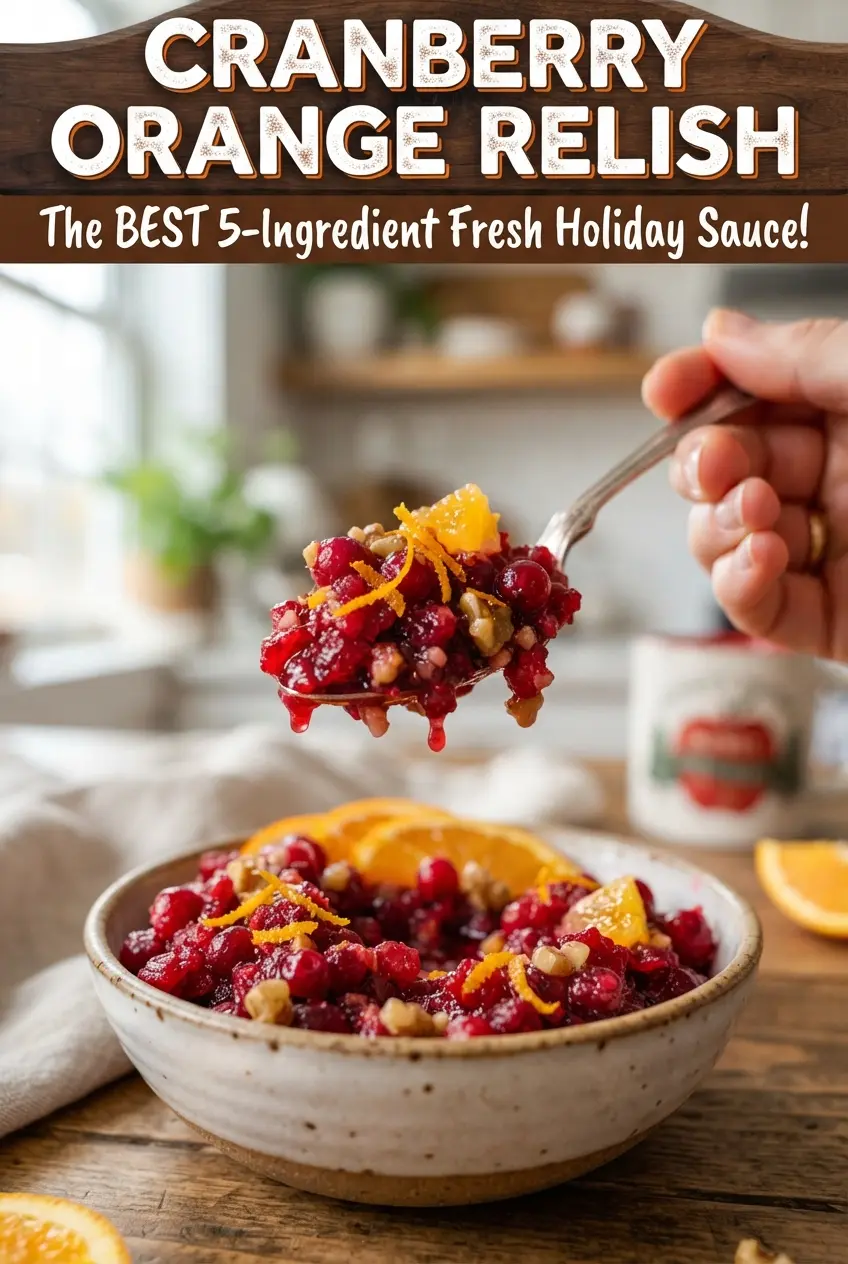
Cranberry Orange Relish
Ingredients
Equipment
Method
- Pulse the fresh cranberries and orange chunks in a food processor until finely chopped but not pureed, watching the texture after 10 to 15 pulses (no smooth puree).
- Transfer the chopped mixture to a bowl and stir in sugar, orange liqueur or orange juice, and a pinch of salt until evenly coated.
- Cover and chill at 4°C to 5°C (40°F to 41°F) for at least 4 hours or overnight to deepen the flavor.
- Stir the relish well before serving so the syrupy juices redistribute.
- Garnish with fresh mint right before serving for a bright, fresh finish.