Cinnamon sugar pumpkin bread bakes up with a crackly, caramelized top and a tender, moist crumb that stays soft for days. The first slice gives you that warm pumpkin spice aroma, then the sugar crust adds a little crunch that makes this loaf stand out from the usual quick bread. It’s the kind of breakfast bread people keep sneaking back to the counter for, one thin slice at a time.
What makes this version work is the layering. Some of the cinnamon sugar goes into the pan, some gets swirled through the middle, and the rest bakes on top into a thick crust. That gives you a better payoff than just mixing sugar into the batter, because you get texture in every direction instead of a loaf that tastes flat by comparison. The buttermilk keeps the crumb soft, while the oil and pumpkin do the heavy lifting for moisture.
Below, I’ve included the small details that matter most here: how to keep the swirl from disappearing, how to get that glossy sugar top, and what to do if your loaf pan tends to stick. Once you’ve made it this way, it’s hard to go back.
The cinnamon sugar topping baked into a crackly crust and the middle stayed super moist. I loved that the swirl didn’t disappear, and it sliced cleanly even the next day.
Love that thick cinnamon sugar crust? Save this cinnamon sugar pumpkin bread for the mornings when you want a tender loaf with a caramelized top.
The Cinnamon Sugar Crust Is What Keeps This Loaf Interesting
The biggest mistake with pumpkin bread is treating the sugar as a background player. Here, the cinnamon sugar does more than sweeten the batter. It bakes into a crust on the bottom and top, and that creates contrast against the soft crumb inside. If you only mix it into the batter, you lose that texture and the loaf can taste heavy instead of layered.
The swirl also needs to stay loose. Drag the knife through just enough to marble the layers, then stop. If you overwork it, the batter and sugar blend together and you won’t get those visible ribbons in the slice. The loaf still tastes good, but you lose the whole reason to build it this way.
What Each Ingredient Is Actually Doing In This Bread
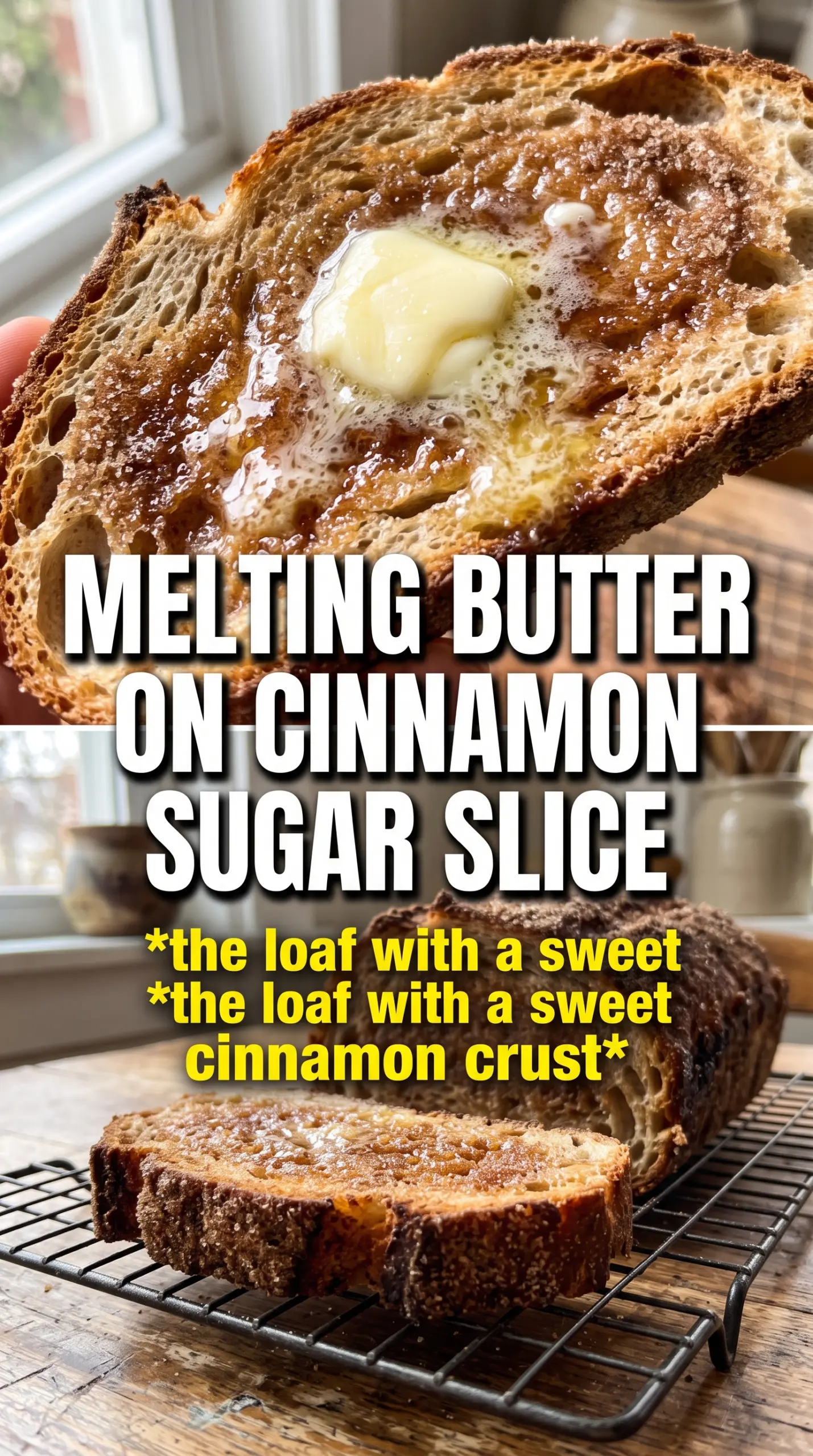
- Pumpkin puree — This gives the bread its moisture, body, and flavor. Use plain pumpkin puree, not pumpkin pie filling, which already has sugar and spices mixed in and will throw off both the texture and the balance.
- Brown sugar plus granulated sugar — The granulated sugar helps the crust bake up crisp, while the brown sugar adds a deeper, almost caramel note. If you only use white sugar, the loaf tastes flatter and the top doesn’t darken as nicely.
- Oil — Oil keeps the crumb soft even after the bread cools. Butter can work in a pinch, but the loaf will be a little firmer and less plush the next day.
- Buttermilk — This loosens the batter just enough and adds a subtle tang that keeps the sweetness in check. If you don’t have it, use milk with a little lemon juice or vinegar stirred in and let it sit for a few minutes before adding it.
- Flour and baking soda — The flour gives the loaf structure, and the baking soda reacts with the acidic ingredients to help it rise. If you pack the flour, the bread turns dense, so spoon it into the cup and level it off.
Building the Loaf So the Swirl Stays Visible
Coating the Pan First
Brush the loaf pan with melted butter, then coat it generously with cinnamon sugar. This does two things at once: it helps the bread release and it starts the crust before the batter even goes in. If you skimp here, the sugar crust can glue itself to the pan and tear the loaf when you turn it out.
Mixing the Batter Without Toughening It
Whisk the dry ingredients in one bowl and the wet ingredients in another until smooth, then fold them together just until you stop seeing streaks of flour. Pumpkin bread turns gummy when it’s overmixed, especially once the flour starts absorbing the wet ingredients. A few small lumps are fine; a tight, overworked batter is not.
Layering the Cinnamon Sugar
Pour in half the batter, scatter on a layer of cinnamon sugar, then add the rest of the batter. This middle layer gives you that ribbon through the crumb instead of leaving all the flavor on top. Don’t dump the sugar in one thick pile or it can sink and create a soggy pocket in the center.
Swirling and Baking to a Dark Golden Finish
Use a knife to make a few gentle figure-eight motions through the top layer, just enough to marble the sugar into the batter. Finish with the remaining cinnamon sugar and bake until the top is deeply golden and the crust looks set. If the loaf starts browning too fast before the center is done, tent it loosely with foil for the last 15 to 20 minutes.
Make It Dairy-Free
Swap the buttermilk for unsweetened plant milk plus 1 teaspoon lemon juice or vinegar. You’ll still get the moisture and slight tang the loaf needs, though the crumb will be a touch less rich than the original.
Use Melted Butter Instead of Oil
Butter adds a deeper flavor and a slightly firmer crumb. The loaf won’t stay quite as soft on day two, but the flavor is a little rounder and more bakery-style.
Turn It Into Muffins
Divide the batter into a lined muffin tin, layer in the cinnamon sugar, and bake until the centers spring back when touched. You’ll lose the dramatic loaf shape, but you gain faster baking and more of those crisp sugar edges.
Storage and Reheating
- Refrigerator: Store tightly wrapped for up to 5 days. The sugar crust softens a little in the fridge, but the loaf stays moist.
- Freezer: Freeze slices or the whole loaf wrapped well and sealed in a freezer bag for up to 3 months. Thaw at room temperature so the crust doesn’t get sticky.
- Reheating: Warm slices in a 300°F oven or toaster oven for a few minutes. Microwaving too long can make the crumb rubbery and melt the sugar crust instead of reviving it.
Questions I Get Asked About This Recipe
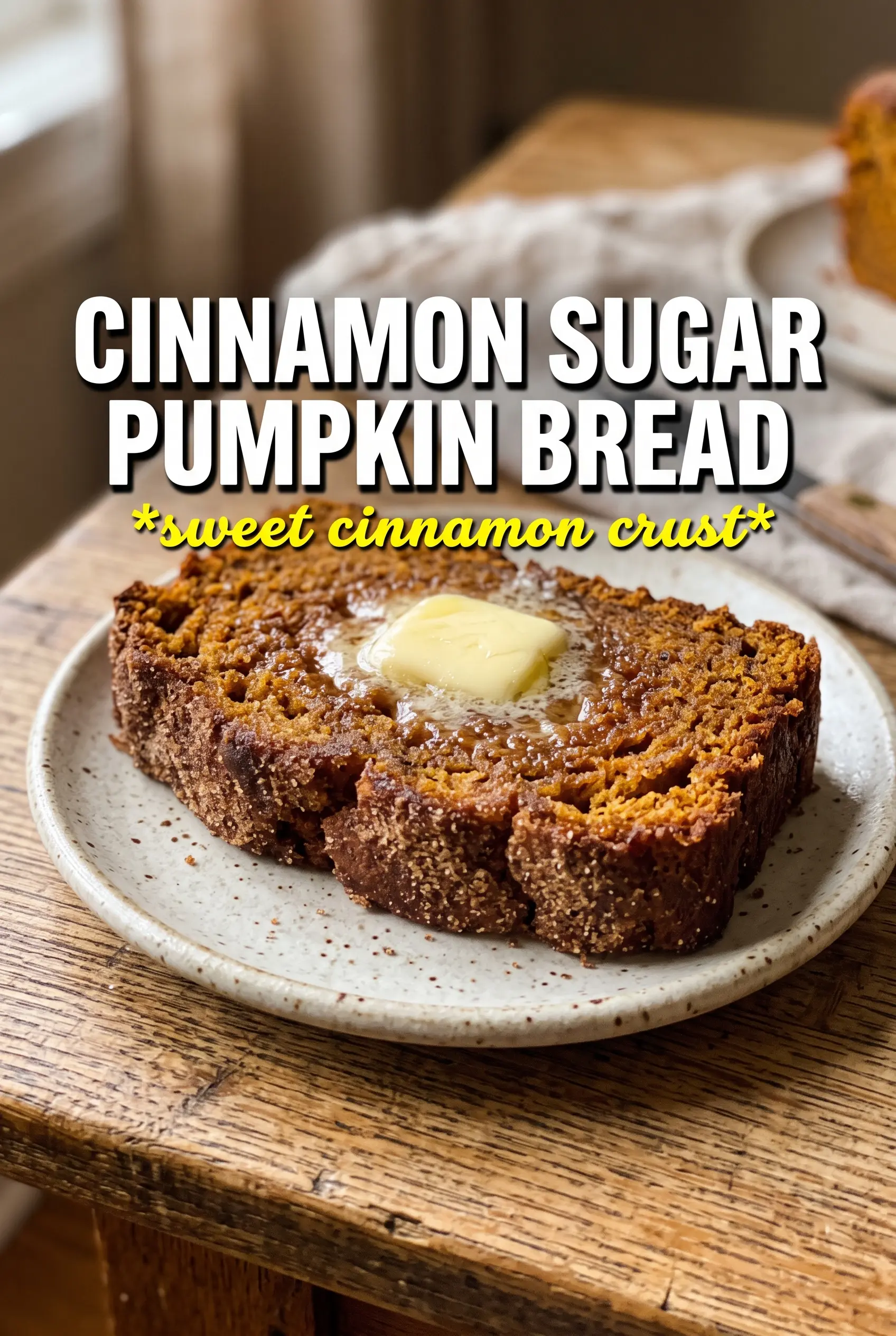
Cinnamon Sugar Pumpkin Bread
Ingredients
Equipment
Method
- Preheat your oven to 350F. Brush a 9x5 loaf pan with melted butter and coat with a generous layer of cinnamon sugar so the crust clings to the sides and top.
- Whisk the bread dry ingredients until evenly combined. Look for a uniform color with no visible spice or soda pockets.
- Whisk the wet ingredients until smooth. Stop when the mixture looks glossy and free of streaks.
- Fold the wet mixture into the dry just until incorporated. The batter should be thick and no dry flour should remain.
- Pour half the batter into the pan. Spread it into an even layer so the swirl has consistent depth.
- Sprinkle a layer of cinnamon sugar over the batter. Use a light, even dusting so it melts into streaks.
- Add the remaining batter on top. Level the surface gently to avoid disturbing the swirl layer.
- Swirl gently with a knife. Make a few careful passes to create ribbon-like streaks through the crumb.
- Top generously with the remaining cinnamon sugar. Aim for a visible, thick layer that will caramelize during baking.
- Bake for 60-65 minutes at 350F. The cinnamon sugar should form a caramelized crust with a golden-brown look.
- Remove the loaf from the pan while still slightly warm. Cooling in the pan can cause sticking, so loosen promptly for clean slices.