Tender chicken, crisp vegetables, and a glossy soy-ginger sauce make this Chinese chicken stir fry taste like the kind of dinner that clears the table fast. The chicken stays juicy because it gets a light cornstarch coating before it hits the wok, and that same starch helps the sauce cling instead of pooling at the bottom of the pan. The vegetables stay bright and just tender-crisp, which keeps every bite lively instead of soft and heavy.
The trick here is heat management. You want the wok or skillet hot enough to sear the chicken quickly, then stay just as hot when the vegetables go in so they cook fast without steaming. The sauce comes together in the pan in under two minutes, and the cornstarch in it thickens everything into that shiny takeout-style finish people expect from a good stir fry.
Below, I’ve included the one part that matters most if you want the vegetables to stay crisp, plus a few smart swaps for making this work with what you’ve got on hand.
The chicken stayed tender, and the sauce thickened up just enough to coat everything without getting gummy. I used the broccoli and peppers exactly as written, and the whole pan was done in about 15 minutes.
Save this Chinese chicken stir fry for the nights when you want glossy soy-ginger sauce, crisp vegetables, and dinner on the table in 30 minutes.
The Secret to Stir Fry That Stays Crisp Instead of Steaming
The difference between a great stir fry and a soggy one usually comes down to pan temperature and crowding. If the pan isn’t hot enough, the chicken gives off liquid before it browns, and the vegetables lose their edge before the sauce even goes in. A smoking-hot wok or large skillet gives you quick color on the chicken and lets the broccoli, peppers, and carrots blister a little before they soften.
The other piece people miss is timing. Garlic and ginger only need about 30 seconds in the pan; any longer and they can burn once the wok is hot enough to do the job right. The sauce should go in only after the vegetables are mostly cooked, because the cornstarch thickens fast and you want that finish to happen at the very end, not while the pan is still trying to cook everything through.
What Each Ingredient Is Actually Doing in This Dish
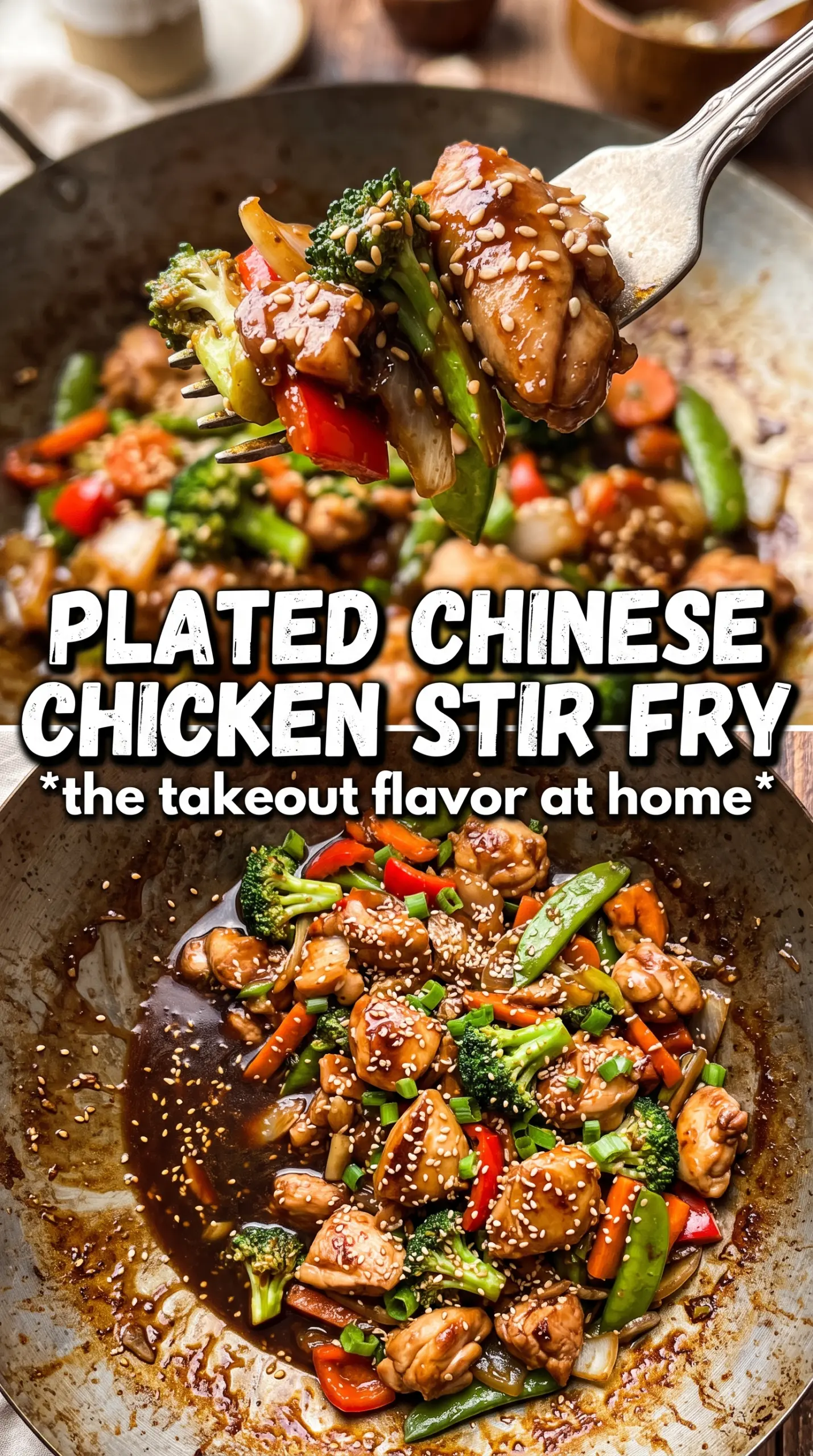
- Chicken breasts — Thin slicing matters more than the cut itself here. It gives you fast, even cooking and keeps the pieces tender instead of dry. Chicken thighs work too, but they’ll be a little richer and less lean.
- Cornstarch — The light coating on the chicken helps it brown and also helps the sauce cling later. Don’t skip it if you want that takeout-style gloss. It also thickens the sauce when it hits the heat.
- Soy sauce, oyster sauce, and hoisin sauce — These build the sweet-salty backbone of the stir fry. Soy sauce gives depth, oyster sauce adds roundness and umami, and hoisin brings a little sweetness and body. If you leave out oyster sauce, the sauce tastes flatter, so it’s worth keeping if you can.
- Broccoli, bell peppers, and carrot — This mix gives you color, crunch, and a little natural sweetness. Cut everything into similar sizes so the vegetables finish together. If you swap in a softer vegetable like zucchini, add it later so it doesn’t collapse.
- Garlic and ginger — These are the high-note flavors that make the whole pan taste alive. Fresh ginger is worth using here because dried ginger won’t give you the same sharp, bright edge.
Building the Stir Fry in the Right Order
Searing the Chicken First
Start with the chicken in a single layer and leave it alone long enough to pick up color. If you stir too soon, it steams and turns pale instead of getting those browned edges that make the final dish taste like it came from a good wok. Pull it out as soon as it’s golden and cooked through; it finishes later in the sauce, so it doesn’t need to be perfect at this stage.
Cooking the Vegetables Fast and Hot
Keep the pan hot and move quickly once the vegetables go in. You want bright color and a little bite left in the broccoli and peppers, not a soft tangle of overcooked vegetables. If the pan starts to cool down, you probably added too much at once; let the heat recover before moving on. Garlic and ginger go in last because they burn faster than everything else.
Thickening the Sauce at the End
Pour the sauce in and stir without stopping so the cornstarch can activate evenly. In less than two minutes, it should go from thin and glossy to lightly thickened and coating the spoon. If it turns lumpy, the heat was too low or the cornstarch settled before whisking; give it a fresh stir before it enters the pan and keep the sauce moving while it cooks. Return the chicken only after the sauce has thickened so the pieces get coated instead of overcooked.
Ways to Change This Without Losing the Stir Fry Character
Make It Gluten-Free
Use tamari or a certified gluten-free soy sauce and check that your oyster sauce and hoisin are labeled gluten-free. The flavor stays close to the original, but the sauce may taste a touch less salty depending on the brand, so taste it before serving.
Make It Dairy-Free Without Changing Anything
This recipe is already dairy-free, which makes it a good one to keep in the weeknight rotation. Serve it over rice, noodles, or cauliflower rice and the core method stays exactly the same.
Swap the Vegetables Based on What’s in the Fridge
Snap peas, baby corn, mushrooms, and zucchini all work well here. Just keep hard vegetables like carrots thin and add soft vegetables later so everything finishes at the same time. The goal is still crisp edges and a sauce that coats, not a pan full of soft vegetables.
Use Chicken Thighs for a Richer Finish
Boneless thighs stay juicy a little longer than breasts and give the stir fry a deeper, richer bite. Cut them the same way and cook them just until done; they can take a touch more time, but don’t let them sit in the pan long enough to lose that tenderness.
Storage and Reheating
- Refrigerator: Store leftovers in an airtight container for up to 4 days. The vegetables soften a little, but the sauce keeps the dish flavorful.
- Freezer: It freezes, but the vegetables lose their crisp texture, so I only freeze it if I’m okay with a softer stir fry later. Cool completely, pack tightly, and freeze for up to 2 months.
- Reheating: Reheat in a skillet over medium heat with a splash of water or broth. Microwaving works in a pinch, but it tends to make the vegetables limp and the chicken a little rubbery if you overdo it.
Questions I Get Asked About This Recipe
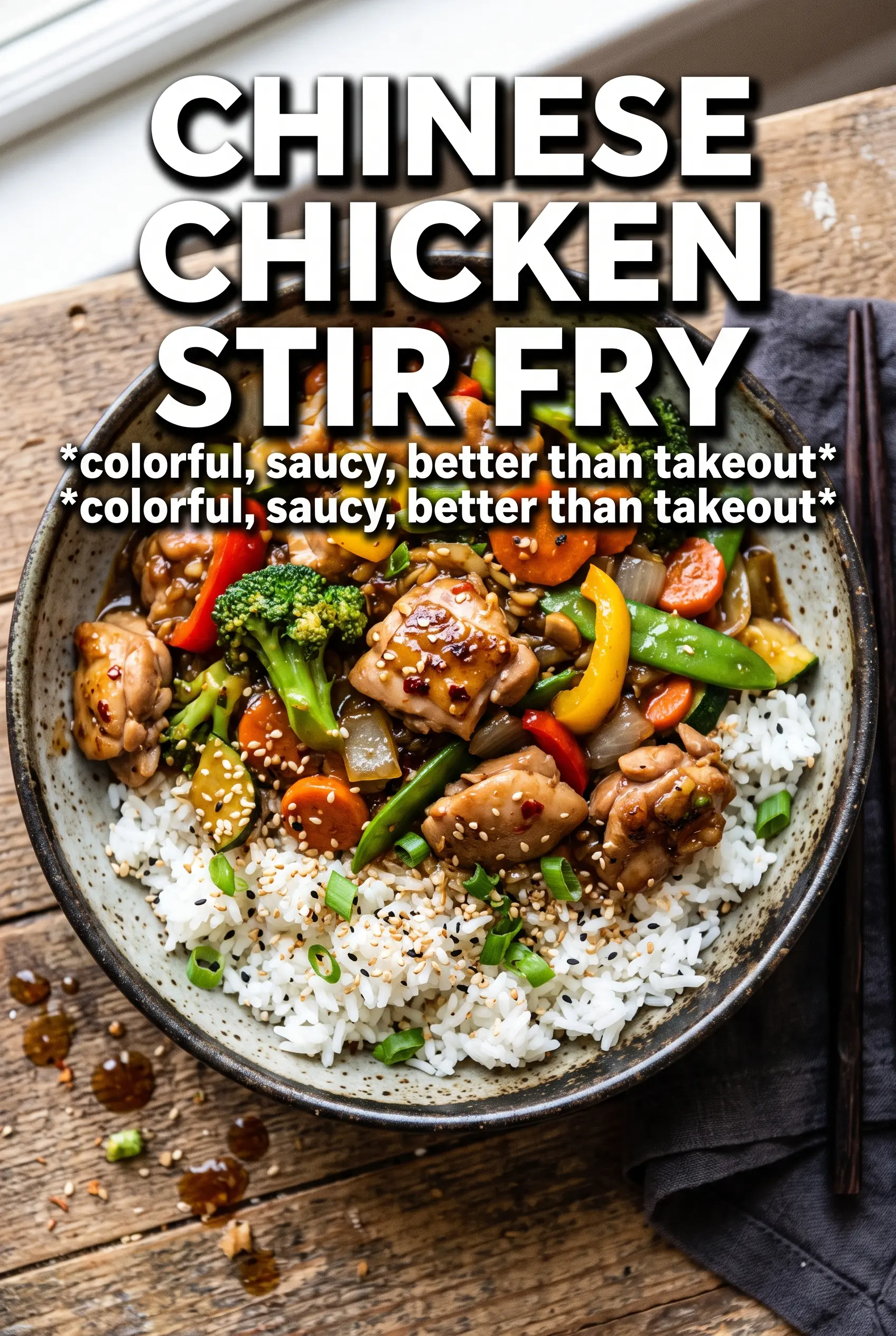
Chinese Chicken Stir Fry
Ingredients
Equipment
Method
- Toss the chicken with cornstarch, salt, and white pepper until evenly coated; set aside as the wok heats. The coating should look slightly dry and cling to the strips.
- Whisk together soy sauce, oyster sauce, hoisin sauce, brown sugar, sesame oil, cornstarch, and chicken broth until smooth. Stop when no cornstarch lumps remain and the mixture looks glossy.
- Heat vegetable oil in a wok or large skillet over high heat until smoking; add the chicken in a single layer. Cook for 4-5 minutes, turning as needed, until golden and cooked through.
- Remove the chicken from the pan and set it aside while you cook the vegetables. The juices should be mostly set and the pieces should look lightly browned.
- Stir-fry bell peppers, broccoli, and carrot over high heat for 3-4 minutes until bright and just tender-crisp. Keep the vegetables moving so they stay vivid and not soggy.
- Add garlic and ginger and stir-fry for 30 seconds. You should smell them immediately and see them lightly sizzle without browning.
- Pour in the sauce and stir for 1-2 minutes until thickened. The sauce should become glossy and cling to the vegetables.
- Return the chicken to the pan and toss until coated. Everything should glisten with the dark sauce.
- Serve the stir fry over white rice and scatter sesame seeds and green onions on top. Add immediately so the chicken stays hot and the vegetables stay crisp-tender.