Golden sourdough, sharp cheddar, crisp bacon, and warm turkey make a sandwich that eats like a proper lunch, not an afterthought. The bread turns deeply toasted and buttery in the skillet while the cheese melts into the turkey and bacon, so every bite gives you crunch, salt, and that little stretch of cheddar that makes a melt worth making again.
The trick here is building the sandwich in layers that each have a job. Dijon goes on one side for sharpness and a little bite, mayonnaise on the other for richness and better browning, and the butter stays on the outside so the sourdough crisps instead of soaking up grease. Thick-cut bacon matters because it keeps its texture under the heat, and sharp cheddar stands up to the turkey instead of disappearing into it.
Below, I’ll walk you through the order that keeps the bread crisp, the cheese fully melted, and the fillings from sliding out when you cut the sandwich. There’s also a note on swaps and make-ahead prep if you want to get lunch on the table fast.
The bread got perfectly crisp before the cheddar finished melting, and the Dijon kept the turkey from tasting flat. My husband said it tasted like a diner sandwich, but better.
Love that crisp sourdough edge and melted cheddar pull? Save this turkey melt for the days when you want a fast lunch that still feels hot, hearty, and finished.
The Sandwich Falls Apart When the Bread Isn’t Protected
The most common mistake with a melt like this is stacking the filling straight onto bare bread and hoping the skillet will sort it out. It won’t. Dijon and mayonnaise each bring something different here, but the real job is helping the sandwich brown evenly without drying out the turkey or burning the bread before the cheese gives up and melts.
- Butter on the outside gives you the crisp, even crust you want. Softened butter spreads cleanly and stays put in the pan.
- Dijon mustard cuts through the richness of the bacon and cheddar. It also keeps the turkey from tasting bland.
- Mayonnaise helps the top slice brown and adds a creamy finish. If you don’t love mayo, use a thin layer of softened butter on both inside slices instead.
- Sharp cheddar matters more than mild cheddar here. Mild cheese melts fine, but it disappears under the bacon and turkey.
What Each Layer Is Doing in the Pan
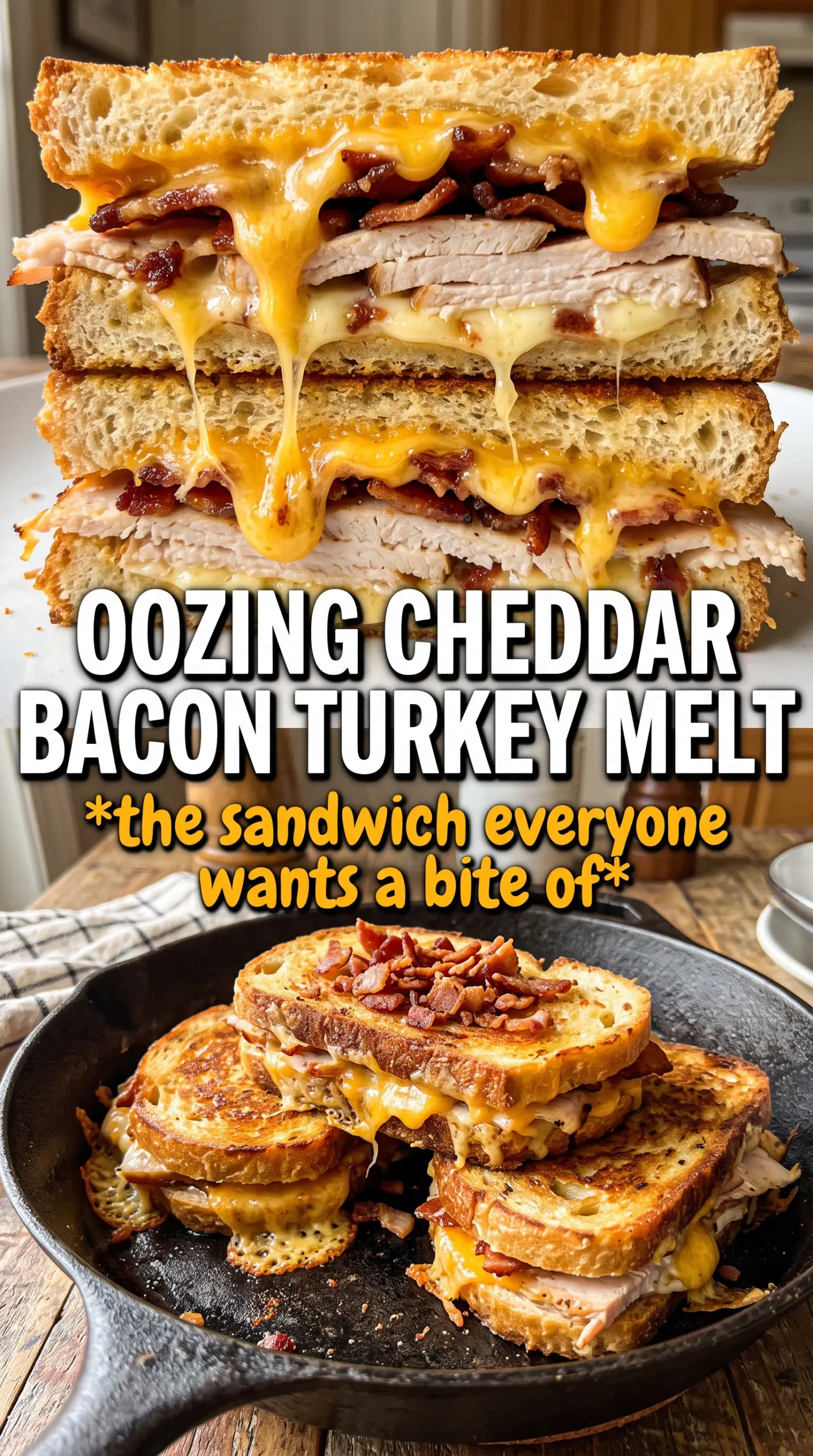
- Sourdough bread gives the sandwich structure and enough tang to balance the richness. Use slices that aren’t too thin, or they’ll collapse before the cheese melts.
- Deli turkey breast works best sliced thin so it warms through quickly. Thick-cut roasted turkey is fine too, but it needs an extra minute in the skillet.
- Thick-cut bacon keeps its crunch instead of disappearing into the cheese. If you use thinner bacon, the texture gets lost.
- Arugula or mixed greens go in at the end for freshness and bite. Add them after cooking so they stay crisp.
- Tomato slices add juiciness and balance the salt. Pat them dry first, or they’ll make the bread soggy.
Build the Melt So the Cheese Stays Ahead of the Browning
Lay Out the Sides Before the Heat Goes On
Butter the outside of every bread slice first, then flip and spread Dijon on half the slices and mayonnaise on the other half. That keeps the sandwich assembly moving quickly once the skillet is hot, which matters because the bread starts browning fast. If you assemble everything first and then try to butter at the end, the fillings slide around and the coating gets patchy.
Stack the Filling in the Right Order
Put the turkey, bacon, and cheddar on the Dijon side, then close the sandwich with the mayonnaise side facing in. The cheese should sit closest to the heat source once the sandwich is in the pan, so it can melt into the turkey instead of just softening on top. If your bacon is still steaming, let it cool for a minute first or it can soften the bread before the crust has a chance to set.
Cook Over Medium, Not High
Set the skillet or griddle over medium heat and give it time to warm through. If the pan is too hot, the sourdough will darken before the cheese melts, and you’ll end up with a burnt shell and cold center. Cook each sandwich for 3 to 4 minutes per side, pressing lightly with a spatula so the bread makes full contact with the pan.
Add the Greens After the Melt Is Done
Open the sandwich, tuck in the arugula and tomato, then press it closed again and serve right away. This keeps the greens bright and the tomato from heating until it turns limp. If you add them before cooking, the moisture moves straight into the bread and the whole sandwich loses that crisp edge.
How to Adapt This Turkey Melt Without Losing the Good Part
Gluten-Free Version
Use a sturdy gluten-free sandwich bread that can handle skillet heat without crumbling. The key is choosing slices with enough body to crisp, since flimsy bread will tear when you flip it. Toasting may take a touch less time, so watch the color instead of the clock.
Dairy-Free Swaps
Use a good meltable dairy-free cheese and replace the butter with plant-based butter or mayonnaise on the outside of the bread. The sandwich will still brown well, but the cheese won’t stretch quite like cheddar, so keep the heat moderate and give it an extra minute if needed.
Turn It Into a Chicken Melt
Swap the turkey for sliced cooked chicken breast or leftover rotisserie chicken. The flavor stays in the same lane, but chicken brings a little more richness and can handle a heavier hand with the tomato and greens.
Storage and Reheating
- Refrigerator: Store cooked sandwiches for up to 2 days, wrapped tightly. The bread softens a bit, but the flavor holds.
- Freezer: I don’t recommend freezing the finished sandwich because the tomato and greens turn watery. You can freeze the cooked bacon and turkey separately if you want to speed up assembly later.
- Reheating: Reheat in a skillet over medium-low heat so the bread crisps again before the filling dries out. The common mistake is blasting it in the microwave first, which turns the sourdough chewy and the cheddar greasy.
Answers to the Questions Worth Asking
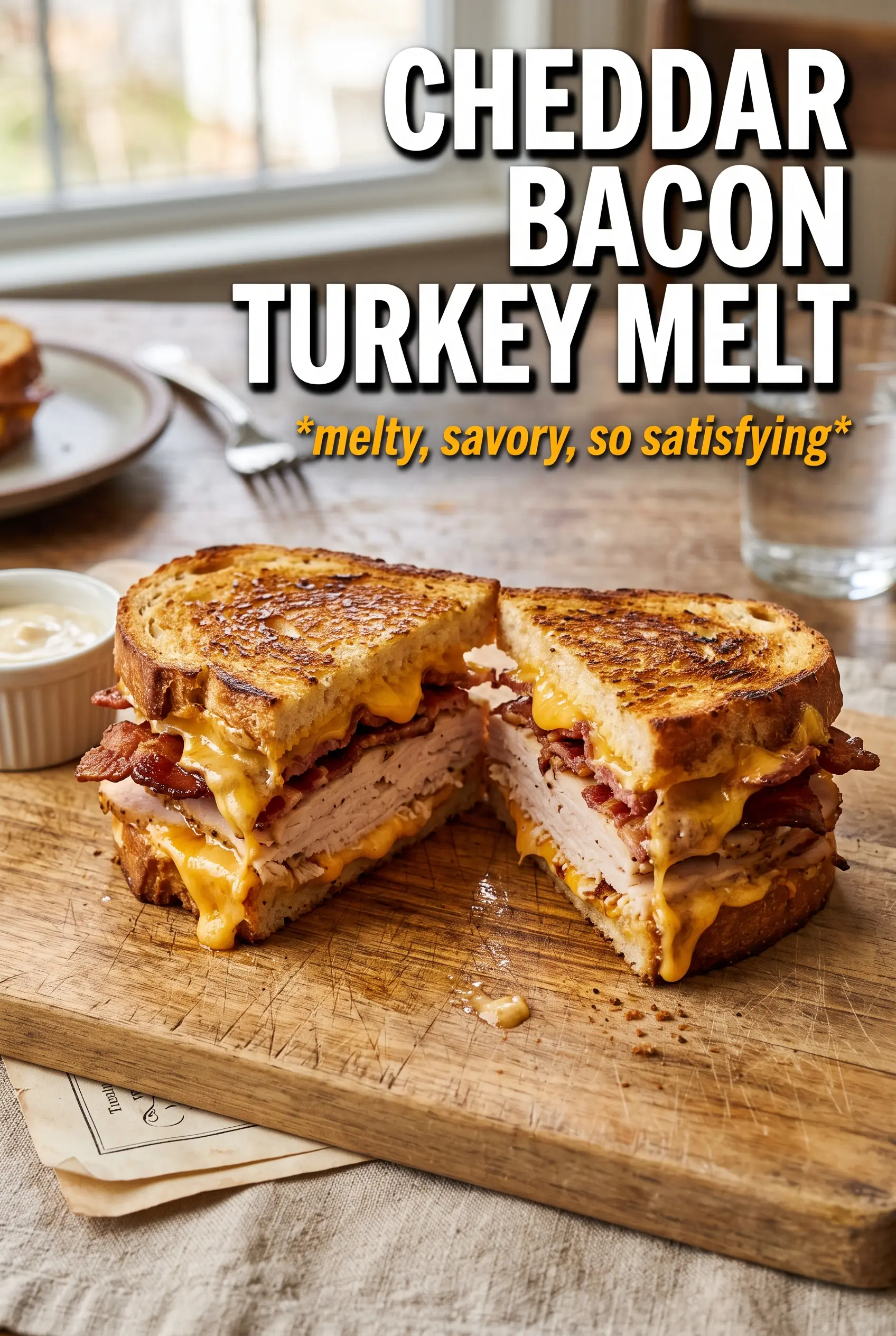
Cheddar and Bacon Turkey Melt On Sourdough
Ingredients
Equipment
Method
- Cook the thick-cut bacon until crispy, then drain and set aside.
- Leave the cooked bacon warm and ready so it layers evenly on the sandwiches.
- Spread one side of each sourdough bread slice with softened unsalted butter.
- Flip the bread over and spread Dijon mustard on half the slices and mayonnaise on the other half.
- Layer sliced deli turkey breast, crispy thick-cut bacon, and sharp cheddar cheese on the Dijon mustard side.
- Heat a skillet or griddle over medium heat, then place sandwiches butter-side down.
- Top each sandwich with the mayonnaise-spread slices butter-side up.
- Cook 3-4 minutes per side, until the sourdough is golden and cheddar is fully melted, with visible browning on the edges.
- Open each sandwich and add arugula or mixed greens and ripe tomato slices.
- Press closed and serve immediately so the greens warm slightly under the melted cheese.