Extra-crispy smashed breakfast potatoes hit a sweet spot that plain roasted potatoes never quite reach: fluffy in the middle, shattering at the edges, and packed with smoky seasoning in every rough little corner. The parmesan melts into those craggy surfaces and turns into a salty, lacy crust that tastes far fancier than the effort it takes.
The trick is giving the potatoes two kinds of heat. First they’re boiled just until tender, which keeps the centers creamy enough to smash cleanly. Then they go onto a hot sheet pan with enough oil to encourage browning instead of steaming. The smash creates more surface area, and that’s where the crispiness lives.
Below you’ll find the timing that keeps the potatoes intact, the seasoning blend that clings instead of sliding off, and the small broil finish that turns good roasted potatoes into something you’ll keep making on repeat.
The potatoes crisped up exactly like the photos, and that smoky parmesan crust was unreal. I served them with eggs and the sauce, and nothing was left on the pan.
Save these smashed breakfast potatoes for the mornings when you want crispy edges, smoky seasoning, and a fast creamy dip alongside them.
The Trick to Crisp Edges Instead of Soft Potato Sides
The biggest mistake with smashed potatoes is crowding the pan or skipping enough oil. If the potatoes sit in steam, they soften before they brown, and you end up with wrinkled little potatoes instead of crisp ones. A hot sheet pan helps, but the real difference is space between each potato and enough oil to coat the bottom side before they hit the oven.
Smashing matters too. You want them flat enough that the edges split and fan out, but not so thin that they fall apart completely. Those broken edges are where the crunch builds, and the rough surface grabs the seasoning better than a smooth wedge ever could.
What Each Ingredient Is Actually Doing in These Potatoes
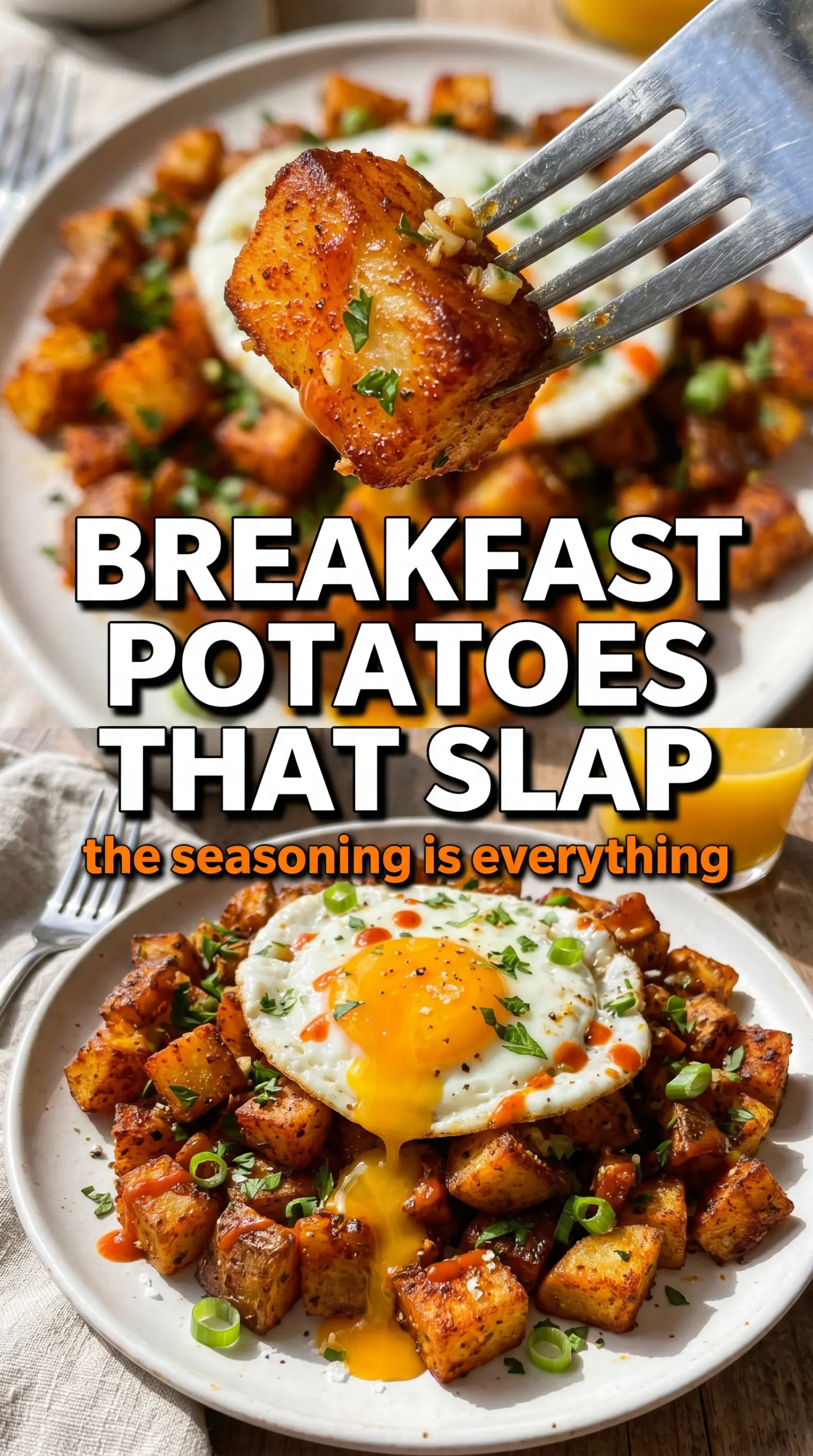
- Baby potatoes — These hold their shape after boiling and smash into thick rounds with plenty of surface area. Small yellow or red potatoes work best because they stay creamy inside while the outsides turn crisp. Avoid large russets here; they tend to collapse too much when smashed.
- Olive oil — This is what gives the potatoes their roasted edges instead of a dry, baked finish. Don’t skimp on it, especially on the pan. If you use a neutral oil, the potatoes still crisp nicely, but olive oil adds a better savory depth.
- Smoked paprika, garlic powder, onion powder, chili powder, and oregano — This blend gives the potatoes a restaurant-style seasoning without needing a long marinade. Smoked paprika is the backbone, so use a fresh one if yours has been sitting in the cabinet for years. The oregano adds a little herbiness that keeps the seasoning from tasting flat.
- Parmesan — Grated parmesan melts into the rough edges and turns them into a salty crust. Finely grated parmesan works best because it clings and browns faster. Pre-shredded cheese can still work, but it won’t melt as evenly.
- Sour cream, hot sauce, and garlic powder — The sauce cuts through the richness and gives each bite a cool, tangy contrast. Use any hot sauce you like; the point is brightness, not raw heat. If you want a thinner dip, stir in a teaspoon of water or milk at a time until it loosens.
The 30 Minutes That Build the Crunch
Boiling the Potatoes Just Until Tender
Start the potatoes in salted water and cook them until a fork slides in without resistance, but the potatoes still hold their shape. If they overcook, they’ll split before you even smash them, and they’ll get gluey instead of fluffy. Drain them well and let the steam escape for a few minutes so the skins dry out a bit before roasting.
Smashing and Seasoning on the Pan
Drizzle the sheet pan with olive oil before the potatoes go down. That first slick of oil helps the bottoms fry against the pan instead of sticking, which is where a lot of the crispiness starts. Smash each potato with the bottom of a glass or measuring cup until it’s about half an inch thick, then scatter the seasoning over every exposed surface. If the seasoning looks patchy, add a tiny extra drizzle of oil over the top so the spices bloom instead of sitting dry.
Roasting Until the Edges Go Deep Gold
Roast at 450°F until the bottoms are deeply browned and the edges look lacy and crisp, usually 20 to 25 minutes. Don’t pull them early when they’re only pale gold; that’s when they still taste soft. The visual cue you want is dark, crisp edges with some charred spots on the ridges.
The Parmesan Finish
Sprinkle the parmesan over the potatoes near the end, then broil for a couple of minutes just until the cheese melts and freckles with color. Watch this part closely because parmesan goes from golden to bitter faster than people expect. Once it’s set into the crust, serve right away with the dipping sauce on the side.
How to Adapt These Potatoes for Different Mornings
Dairy-Free Version
Skip the parmesan and serve the potatoes with a dairy-free dip or plain hot sauce. You’ll lose the cheesy crust, but the potatoes still get plenty of crunch from the oil and high-heat roast. If you want more savory depth, finish with a little extra salt right as they come out of the oven.
Spicier Brunch Potatoes
Add a pinch of cayenne to the seasoning mix or use a hotter sauce in the dip. This keeps the same crispy texture but gives the potatoes more of a wake-up kick. Don’t overload the spice blend or it will drown out the smoky paprika.
Make It Gluten-Free
This recipe is naturally gluten-free as written, as long as your hot sauce and parmesan are certified gluten-free if you need to be strict. The texture doesn’t change at all, which makes this an easy side to bring to a mixed table. It’s one of those recipes that doesn’t need a special workaround to fit.
Storage and Reheating
- Refrigerator: Store leftovers in an airtight container for up to 4 days. They’ll soften a bit, but the flavor stays strong.
- Freezer: You can freeze them, but the texture won’t be as crisp after thawing. If you do, freeze in a single layer first, then move to a bag or container.
- Reheating: Reheat on a sheet pan in a 425°F oven or air fryer until the edges crisp back up. The microwave will make them soft, so skip it unless you don’t care about the crunch.
Answers to the Questions Worth Asking
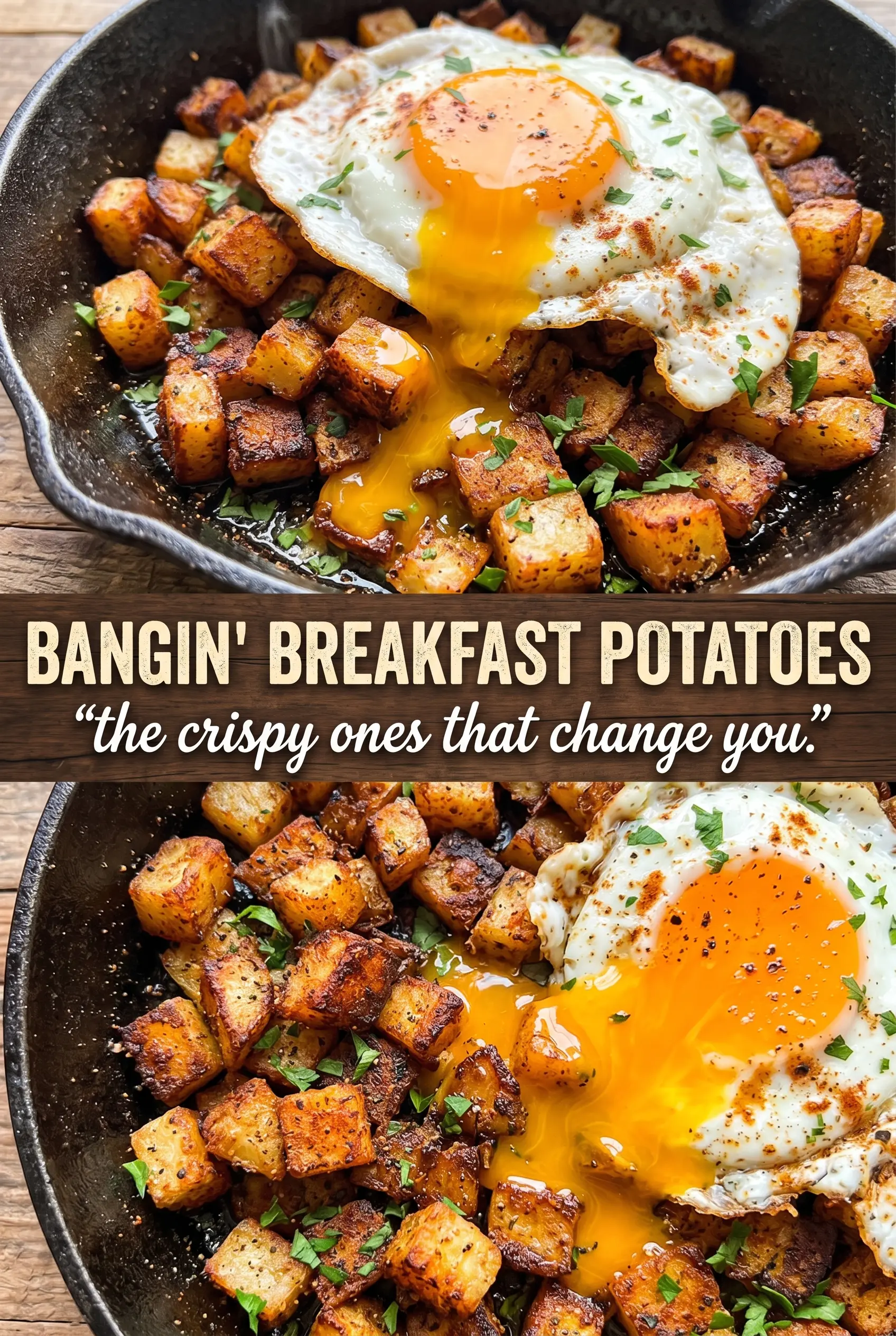
Bangin' Breakfast Potatoes
Ingredients
Equipment
Method
- Boil baby potatoes in salted water for 12–15 minutes until fork-tender, then drain and cool slightly so they don’t steam while smashing.
- Preheat the oven to 450°F and drizzle olive oil on a sheet pan so the smashed edges crisp in the hot oven.
- Place potatoes on the pan and smash each flat with the bottom of a glass to create thick rounds with rough, textured edges.
- Mix smoked paprika, garlic powder, onion powder, chili powder, and dried oregano, then sprinkle the seasoning over the smashed potatoes and drizzle with more olive oil for a spice-rub crust.
- Roast the potatoes at 450°F for 20–25 minutes until deeply golden and crispy, with visible charred edges.
- Sprinkle parmesan over the hot potatoes, then broil for 2 minutes until the cheese melts and forms a lightly browned topping.
- Mix sour cream, hot sauce, and garlic powder, then serve the creamy dipping sauce alongside the crispy potatoes.